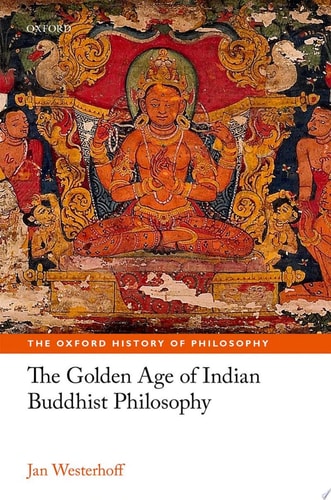
The Golden Age of Indian Buddhist Philosophy
0
0
As an Amazon Associate and affiliate partner, Menrva Books earns from qualifying purchases. Learn more
Author Description
Jan Westerhoff Unfolds The Story Of One Of The Richest Episodes In The History Of Indian Thought, The Development Of Buddhist Philosophy In The First Millennium Ce. He Starts From The Composition Of The Abhidharma Works Before The Beginning Of The Common Era And Continues Up To The Time Of Dharmakirti In The Sixth Century. This Period Was Characterized By The Development Of A Variety Of Philosophical Schools And Approaches That Have Shaped Buddhist Thought Up To The Present Day: The Scholasticism Of The Abhidharma, The Madhyamaka's Theory Of Emptiness, Yogacara Idealism, And The Logical And Epistemological Works Of Dinnaga And Dharmakirti. The Book Attempts To Describe The Historical Development Of These Schools In Their Intellectual And Cultural Context, With Particular Emphasis On Three Factors That Shaped The Development Of Buddhist Philosophical Thought: The Need To Spell Out The Contents Of Canonical Texts, The Discourses Of The Historical Buddha And The Mahayana Sutras; The Desire To Defend Their Positions By Sophisticated Arguments Against Criticisms From Fellow Buddhists And From Non-buddhist Thinkers Of Classical Indian Philosophy; And The Need To Account For Insights Gained Through The Application Of Specific Meditative Techniques. While The Main Focus Is The Period Up To The Sixth Century Ce, Westerhoff Also Discusses Some Important Thinkers Who Influenced Buddhist Thought Between This Time And The Decline Of Buddhist Scholastic Philosophy In India At The Beginning Of The Thirteenth Century. His Aim Is That The Historical Presentation Will Also Allow The Reader To Get A Better Systematic Grasp Of Key Buddhist Concepts Such As Non-self, Suffering, Reincarnation, Karma, And Nirvana.-- Introduction -- Abhidharma -- Madhyamaka -- Yogācāra -- The School Of Diṅnāga And Dharmakīrti -- Concluding Remarks. Jan Westerhoff. Includes Bibliographical References (pages 287-307) And Index.
Menrva's Summary
THE THESIS
This work investigates the historical and intellectual evolution of Buddhist philosophical schools in India during the first millennium CE. Jan Westerhoff, a scholar of Indian philosophy, utilizes a combination of canonical text analysis, historical context, and philosophical reconstruction to map the development of major schools. He argues that the progression of these ideas was driven by the necessity of interpreting canonical texts, the requirement to defend positions against rival schools, and the integration of meditative insights into formal doctrine.
THE SCOPE MAP
What You Will Find
- A chronological survey of Buddhist thought from pre-Common Era Abhidharma works to the 13th century.
- Analysis of key schools including Abhidharma, Madhyamaka, Yogacara, and the logical systems of Dinnaga and Dharmakirti.
- Examination of core concepts such as non-self, karma, reincarnation, and nirvana.
Scope Limits
- The primary focus remains on the period ending in the sixth century CE, with only brief coverage of later developments.
- The text does not provide an exhaustive survey of all minor Buddhist sects or regional variations outside of the main philosophical traditions.
THE AUTHORITY PERSPECTIVE
Scholars and students of Indian philosophy frequently cite this text as a clear, systematic introduction to complex Buddhist metaphysical frameworks. Experts highlight the author's ability to balance historical narrative with the rigorous logical demands of the philosophical arguments presented.
Page Count:
0
Publication Date:
2018-01-01
Publisher:
Oxford University Press,
ISBN-10:
019104704X
ISBN-13:
9780191047046
Religion
Philosophy
History
Yogācāra
Philosophie
Asian Studies
Philosophy
Indian philosophy
Philosophy history
Buddhist Philosophy
Buddhism
Buddhismus
Community Tags
Similar Books