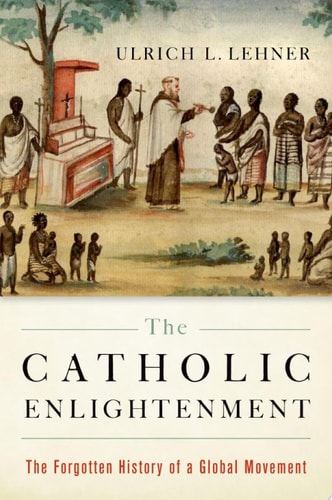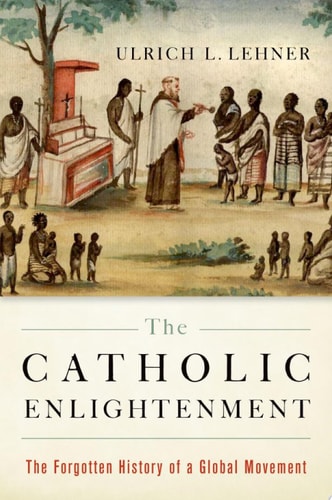
The Catholic Enlightenment
0
0
As an Amazon Associate and affiliate partner, Menrva Books earns from qualifying purchases. Learn more
Author Description
Whoever Needs An Act Of Faith To Elucidate An Event That Can Be Explained By Reason Is A Fool, And Unworthy Of Reasonable Thought. This Line, Spoken By The Notorious 18th-century Libertine Giacomo Casanova, Illustrates A Deeply Entrenched Perception Of Religion, As Prevalent Today As It Was Hundreds Of Years Ago. It Is The Sentiment Behind The Narrative That Catholic Beliefs Were Incompatible With The Enlightenment Ideals. Catholics, Many Claim, Are Superstitious And Traditional, Opposed To Democracy And Gender Equality, And Hostile To Science. It May Come As A Surprise, Then, To Learn That Casanova Himself Was A Catholic. In The Catholic Enlightenment, Ulrich L. Lehner Points To Such Figures As Representatives Of A Long-overlooked Thread Of A Reform-minded Catholicism, Which Engaged Enlightenment Ideals With As Much Fervor And Intellectual Gravity As Anyone. Their Story Opens New Pathways For Understanding How Faith And Modernity Can Interact In Our Own Time. Lehner Begins Two Hundred Years Before The Enlightenment, When The Protestant Reformation Destroyed The Hegemony Catholicism Had Enjoyed For Centuries. During This Time The Catholic Church Instituted Several Reforms, Such As Better Education For Pastors, More Liberal Ideas About The Roles Of Women, And An Emphasis On Human Freedom As A Critical Feature Of Theology. These Actions Formed The Foundation Of The Enlightenment's Belief In Individual Freedom. While Giants Like Spinoza, Locke, And Voltaire Became Some Of The Most Influential Voices Of The Time, Catholic Enlighteners Were Right Alongside Them. They Denounced Fanaticism, Superstition, And Prejudice As Irreconcilable With The Enlightenment Agenda. In 1789, The French Revolution Dealt A Devastating Blow To Their Cause, Disillusioning Many Catholics Against The Idea Of Modernization. Popes Accumulated Ever More Power And The Catholic Enlightenment Was Snuffed Out. It Was Not Until The Second Vatican Council In 1962 That Questions Of Catholicism's Compatibi
Menrva's Summary
THE THESIS
Can Catholic belief systems coexist with the intellectual and political ideals of the Enlightenment? Ulrich L. Lehner, a professor of history, challenges the conventional narrative that Catholicism and Enlightenment values are inherently contradictory. By examining the intellectual contributions of reform-minded Catholic thinkers, he argues that these figures were active participants in the modernization of Western thought, advocating for human freedom, education, and the rejection of superstition long before the French Revolution altered the trajectory of the Church.
THE SCOPE MAP
What You Will Find
- Historical analysis of the Catholic Church's internal reform movements following the Protestant Reformation.
- Examination of Catholic intellectual contributions to concepts of individual liberty and gender roles.
- Discussion of the impact of the French Revolution on the suppression of liberal Catholic thought.
- Contextualization of the Catholic Enlightenment in relation to secular thinkers like Locke and Voltaire.
Scope Limits
- The text does not provide a comprehensive history of the entire Catholic Church during the 18th century.
- It does not focus on the theological debates occurring within the Protestant denominations of the same era.
THE AUTHORITY PERSPECTIVE
Scholars and historians frequently identify this work as a significant contribution to the study of early modern religious history. Readers often note the academic rigor of the prose, which serves as a foundational text for those interested in the intersection of faith and modern political philosophy.
Page Count:
304
Publication Date:
2016-01-01
Publisher:
Oxford University Press
ISBN-10:
0190232927
ISBN-13:
9780190232924
Religion
History
Intellectual History
European History
Catholicism
Enlightenment
Community Tags
Similar Books