The Eastern Orthodox Church
0
0
As an Amazon Associate and affiliate partner, Menrva Books earns from qualifying purchases. Learn more
Author Description
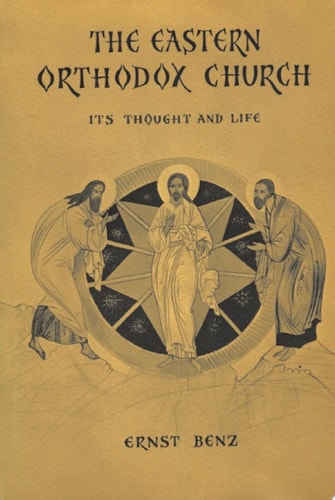
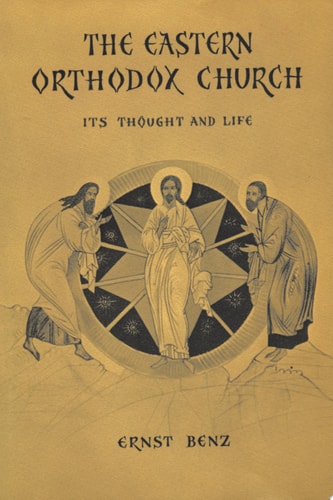
Western European Christendom finds it difficult to comprehend the Eastern Orthodox Church because it knows little about the practice and doctrines of Orthodoxy. Even what is known is overlaid by many strata of prejudices and misunderstandings, partly political in nature. One of the obstacles has been the natural tendency to confound the ideas and customs of the Orthodox Church with familiar parallels in Roman Catholicism. To escape this tradition pitfall, Ernst Benz focuses on icon painting as a logical place to begin his examination of the Orthodox Church. Beginning with a brilliant discussion of the importance of icons in the Eastern Church--and the far-reaching effects of icons on doctrine as well as art--Benz counteracts the confusion, explaining simply and clearly the liturgy and sacraments, dogma, constitution and law of Eastern Orthodoxy. In brief history, he describes the rise of Orthodox national churches, schismatic churches, and churches in exile; the role of monasticism and its striking differences from Roman Catholic monasticism; the missionary work of the Orthodox Church; and the influence of Orthodoxy on politics and culture. The role of the church can be defined in terms of the image. Benz writes that the church exists so that members may be incorporated into the image of Jesus Christ in that individual believers are changed into his likeness' as Paul writes in the Second Letter to the Corinthians. Thus, Orthodox theology holds up the icon as the true key to the understanding of Orthodox dogma. The Eastern Orthodox Church will be valuable to anyone interested in learning more about the church, its thought, its life, and its ideals.
Menrva's Summary
THE THESIS
This work investigates the core doctrines, liturgical practices, and historical development of the Eastern Orthodox Church to bridge the gap in understanding between Western Christendom and the Orthodox tradition. Ernst Benz, a distinguished German theologian and scholar of ecclesiastical history, utilizes his extensive background in philology and theology to dismantle common misconceptions. He argues that the icon serves as the primary hermeneutic key for interpreting Orthodox dogma, liturgy, and the spiritual transformation of the believer into the likeness of Christ.
THE SCOPE MAP
What You Will Find
- An examination of icon painting as a foundational element of Orthodox theology and artistic expression.
- A detailed overview of the liturgy, sacraments, and ecclesiastical constitution of the Eastern Church.
- Historical analysis of the rise of national churches, schismatic movements, and the role of monasticism.
- A comparative study highlighting the distinct differences between Eastern Orthodox and Roman Catholic traditions.
THE AUTHORITY PERSPECTIVE
Experts recognize this text as a foundational resource for Western readers seeking to move beyond superficial stereotypes of Eastern Christianity. The prose is noted for its clarity and academic rigor, making it an accessible entry point for those interested in the theological and cultural nuances of the Orthodox faith.
Page Count:
230
Publication Date:
2008-01-01
Publisher:
Transaction Publishers
ISBN-10:
0202365751
ISBN-13:
9780202365756
Religion
History
Theology
Church History
Eastern Orthodoxy
Christianity