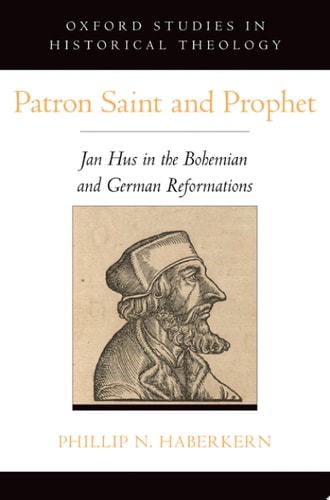
Patron Saint and Prophet
0
0
As an Amazon Associate and affiliate partner, Menrva Books earns from qualifying purchases. Learn more
Author Description
The Bohemian Preacher And Religious Reformer Jan Hus Has Been Celebrated As A De Facto Saint Since Being Burned At The Stake As A Heretic In 1415. Patron Saint And Prophet Analyzes Hus's Commemoration From The Time Of His Death Until The Middle Of The Following Century, Tracing The Ways In Which Both His Supporters And His Most Outspoken Opponents Sought To Determine Whether He Would Be Remembered As A Heretic Or Saint. Phillip Haberkern Examines How Specific Historical Conflicts And Exigencies Affected The Evolution Of Hus's Memory-within The Militant Hussite Movement That Flourished Until The Mid-1430s, Within The Czech Utraquist Church That Succeeded It, And Among Sixteenth-century Lutherans Who Viewed Hus As A Forerunner And Even Prophet Of Their Reform. Using Close Readings Of Written Sources Such As Sermons And Church Histories, Visual Media Including Manuscript Illuminations And Monumental Art, And Oral Forms Of Discourse Such As Vernacular Songs And Liturgical Prayers, This Book Offers A Fascinating Account Of How Changes In Media Technology Complemented The Shifting Theology Of The Cult Of Saints In Order To Shape Early Modern Commemorative Practices. By Focusing On The Ways In Which The Invocation Of Hus Catalyzed Religious Dissent Within Two Distinct Historical Contexts, Haberkern Compares The Role Of Memory In Late Medieval Bohemia With The Emergence Of History As A Constitutive Religious Discourse In The Early Modern German Land. In This Way, He Also Provides A Detailed Analysis Of The Ways In Which Bohemian And German Religious Reformers Justified Their Dissent From The Roman Church By Invoking The Past.
Menrva's Summary
THE THESIS
This book investigates how the memory and legacy of Jan Hus were constructed, contested, and utilized by various religious factions between his execution in 1415 and the mid-sixteenth century. Phillip N. Haberkern, a scholar of early modern European history, utilizes a diverse array of primary sources to analyze the transformation of Hus from a condemned heretic into a venerated saint and prophetic figure. The author argues that the shifting perception of Hus was not merely a theological evolution but a deliberate project shaped by political exigencies, media technology, and the specific needs of reform movements in Bohemia and Germany.
THE SCOPE MAP
What You Will Find
- Analysis of the Hussite movement, the Czech Utraquist Church, and sixteenth-century Lutheranism.
- Examination of diverse media including sermons, manuscript illuminations, monumental art, vernacular songs, and liturgical prayers.
- Comparative study of late medieval Bohemian memory practices versus early modern German historical discourse.
Scope Limits
- The study focuses primarily on the period between 1415 and the mid-sixteenth century.
- The analysis is restricted to the specific religious and political contexts of Bohemia and the German lands.
THE AUTHORITY PERSPECTIVE
Scholars in the field of Reformation studies recognize this work as a rigorous examination of how religious memory functions as a tool for institutional legitimacy. Readers frequently note the academic density of the prose and the author's meticulous attention to the intersection of visual culture and theological rhetoric.
Page Count:
384
Publication Date:
2016-01-01
Publisher:
Oxford University Press
ISBN-10:
0190280743
ISBN-13:
9780190280741
History
Biography
Reformation Studies
European History
Religious History
Community Tags
Similar Books