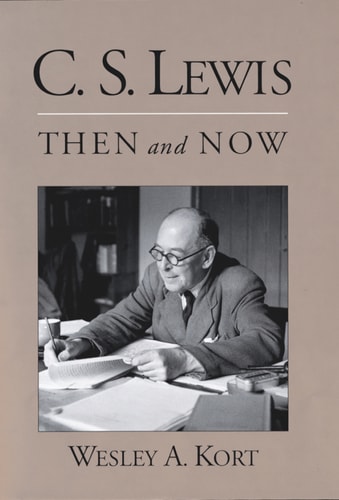
C.S. Lewis Then and Now
0
0
As an Amazon Associate and affiliate partner, Menrva Books earns from qualifying purchases. Learn more
Author Description
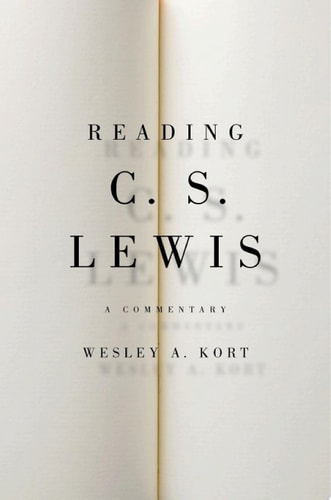
Clive Staples Lewis (1898-1963) was a distinguished scholar of medieval and Renaissance literature who taught at both Oxford University and Cambridge University. After his conversion to Christianity, Lewis began writing Christian apologetic works aimed at a popular audience. It is for these works that Lewis is now best remembered; especially in the U.S., where his books have sold in the millions and continue to be popular today. Perhaps because of this popularity, however, Lewis's Christian writings are generally dismissed by theologians as oversimplified and conceptually flawed. With this book, Wesley A. Kort hopes to rehabilitate Lewis and to demonstrate the value and continuing relevance of his work. Kort not only retrieves Lewis from the now-dated context of his writings, but also wrests him from the hands of evangelicals who have turned his word into gospel and mistaken his attacks on modernity for a retreat from the world. Kort addresses and refutes common prejudices about Lewis and shows that, although Lewis was sharply critical of the materialism and narcissism of modern culture, he nevertheless insisted that only through culture can Christian teachings effectively shape moral character. Lewis's desire for a fruitful, interactive relationship between Christianity and culture sharply distinguishes him from neo-orthodox theology and many contemporary Christian rejections of culture.
Menrva's Summary
THE THESIS
Wesley A. Kort investigates whether the theological and cultural contributions of C.S. Lewis remain relevant and intellectually rigorous in a contemporary context. Kort, a scholar of literature and religion, utilizes a critical framework to re-examine Lewis's body of work, moving beyond the polarized interpretations often held by both secular academics and evangelical readers. He argues that Lewis's nuanced approach to the intersection of Christian faith and modern culture has been frequently misunderstood or oversimplified by both his detractors and his most ardent supporters.
THE SCOPE MAP
What You Will Find
- Analysis of Lewis's academic background in medieval and Renaissance literature
- Examination of the tension between Lewis's Christian apologetics and modern secular culture
- Critique of the evangelical appropriation of Lewis's writings
- Evaluation of Lewis's stance on moral character and cultural engagement
Scope Limits
- Does not provide a comprehensive biography of Lewis's personal life
- Does not focus on the literary analysis of the Narnia series or his fiction in isolation
THE AUTHORITY PERSPECTIVE
Experts recognize this text as a significant intervention in Lewis studies that challenges the common academic dismissal of his theological work. Readers frequently note that the prose is accessible yet maintains a high level of analytical rigor suitable for those interested in the intersection of faith and modern intellectual history.
Page Count:
202
Publication Date:
2001-01-01
Publisher:
Oxford University Press
ISBN-10:
0190286652
ISBN-13:
9780190286651
Non-Fiction
Biography
English & College Success
Literary Criticism
Christian Theology
English
Community Tags
Similar Books