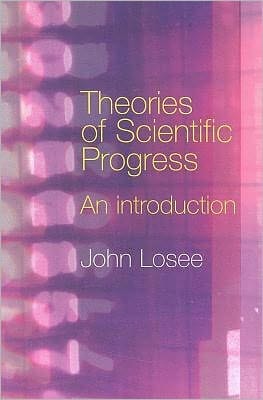
Theories of Scientific Progress
0
0
As an Amazon Associate and affiliate partner, Menrva Books earns from qualifying purchases. Learn more
Author Description
What is the nature of scientific progress and what makes it possible? When we look back at the scientific theories of the past and compare them to the state of science today, there seems little doubt that we have made progress. But is it a continuous process which gradually incorporates past successes into present theories, or are entrenched theories overthrown by superior competitors in a revolutionary manner? Theories of Scientific Progress is the ideal introduction to this topic. It is clearly organized, with suggestions for further reading that point the way to both primary texts and secondary literature. It will be essential reading for students of the history and philosophy of science.
Menrva's Summary
THE THESIS
This book investigates the fundamental nature of scientific progress and the mechanisms that facilitate the transition from past theories to contemporary scientific knowledge. John Losee, a scholar in the history and philosophy of science, examines whether scientific advancement occurs through a linear, cumulative process or through radical, revolutionary shifts. The text provides a structured framework for evaluating how scientific theories are validated, challenged, and eventually replaced over time.
THE SCOPE MAP
What You Will Find
- Analysis of cumulative versus revolutionary models of scientific change
- Historical overview of major shifts in scientific paradigms
- Examination of the logical criteria used to compare competing theories
- Bibliographic guidance for primary and secondary source literature
THE AUTHORITY PERSPECTIVE
Experts and educators frequently cite this work as a foundational introductory text for students exploring the philosophy of science. Readers often note the clarity of the prose, which makes complex epistemological debates accessible to those new to the field.
Page Count:
0
Publication Date:
2003-01-01
Publisher:
Routledge
ISBN-10:
0203239776
ISBN-13:
9780203239773
Science
Philosophy
Epistemology