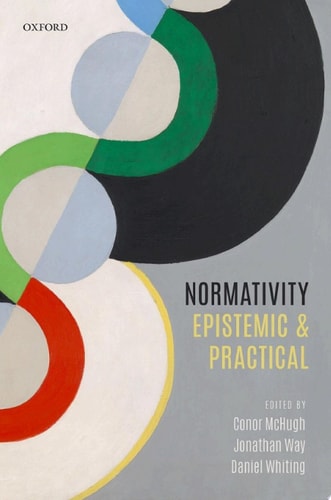
Normativity: Epistemic and Practical
0
0
As an Amazon Associate and affiliate partner, Menrva Books earns from qualifying purchases. Learn more
Author Description
What should I do? What should I think? Traditionally, ethicists tackle the first question, while epistemologists tackle the second. Philosophers have tended to investigate the issue of what to do independently of the issue of what to think, that is, to do ethics independently of epistemology, and vice versa. This collection of new essays by leading philosophers focuses on a central concern of both epistemology and ethics: normativity. Normativity is a matter of what one should or may do or think, what one has reason or justification to do or to think, what it is right or wrong to do or to think, and so on. The volume is innovative in drawing together issues from epistemology and ethics and in exploring neglected connections between epistemic and practical normativity. It represents a burgeoning research programme in which epistemic and practical normativity are seen as two aspects of a single topic, deeply interdependent and raising parallel questions.
Menrva's Summary
THE THESIS
This collection investigates the fundamental question of whether epistemic and practical normativity share a unified structure or if they must be treated as distinct domains of inquiry. The editors, Conor McHugh, Daniel Whiting, and Jonathan Way, curate a series of original essays that challenge the traditional academic divide between ethics and epistemology. By examining the concepts of reason, justification, and obligation, the contributors argue for a more integrated approach to understanding what one ought to think or do.
THE SCOPE MAP
What You Will Find
- Comparative analysis of epistemic and practical reasons
- Theoretical frameworks regarding justification and normative requirements
- Investigations into the parallels between moral and doxastic obligations
Scope Limits
- Does not provide a comprehensive history of normative ethics
- Does not address applied ethics or specific policy recommendations
THE AUTHORITY PERSPECTIVE
Experts identify this volume as a significant contribution to the burgeoning field of unified normative theory. Readers frequently note the academic density of the prose, which is intended for advanced students and professional philosophers.
Page Count:
294
Publication Date:
2018-01-01
Publisher:
OUP Oxford
ISBN-10:
0191076473
ISBN-13:
9780191076473
Philosophy
Normativity
Ethics
Academic
Epistemology