Museums in a Digital Age
0
0
As an Amazon Associate and affiliate partner, Menrva Books earns from qualifying purchases. Learn more
Author Description
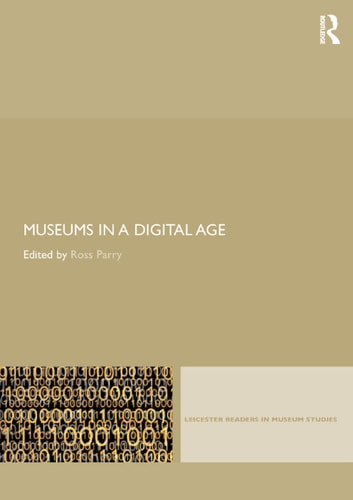
The influence of digital media on the cultural heritage sector has been pervasive and profound. Today museums are reliant on new technology to manage their collections. They collect digital as well as material objects. New media is embedded within their exhibition spaces. And their activity online is as important as their physical presence on site. However, 'digital heritage' (as an area of practice and as a subject of study) does not exist in one single place. Its evidence base is complex, diverse and distributed, and its content is available through multiple channels, on varied media, in myriad locations and in different genres of writing. It is this diaspora of material and practice that this Reader is intended to address. With over forty chapters (by some fifty authors and co-authors), from around the world, spanning over twenty years of museum practice and research, this volume acts as an aggregator drawing selectively from a notoriously distributed network of content. Divided into seven parts (on information, spaces, access, interpretation, objects, delivery and futures), this book presents a series of cross-sections through the body of digital heritage literature, each revealing how a different aspect of curatorship and museum provision has been informed, shaped or challenged by computing. Museums in a Digital Age is a provocative and inspiring guide for any student or practitioner of digital heritage.
Menrva's Summary
THE THESIS
This volume investigates how digital media and computing technologies have fundamentally reshaped the operational, curatorial, and interpretive frameworks of the modern museum sector. Ross Parry, a recognized scholar in museum studies and digital heritage, compiles a comprehensive reader that addresses the fragmented nature of digital practice in cultural institutions. By aggregating over forty chapters from diverse international contributors, the book provides a structured analysis of how technology influences everything from collection management to the visitor experience in both physical and virtual spaces.
THE SCOPE MAP
What You Will Find
- A multi-part framework covering information, exhibition spaces, digital access, and future trends in curatorship.
- Analysis of the shift from material-only collections to the integration of digital objects and media.
- A collection of over forty scholarly chapters spanning two decades of research and practical application.
- Cross-sectional studies of how computing challenges and informs traditional museum provision.
THE AUTHORITY PERSPECTIVE
Experts and students of museum studies frequently cite this volume as a foundational aggregator for understanding the evolution of digital heritage. Readers often note the academic density of the prose, which serves as a comprehensive reference for those navigating the intersection of technology and cultural institutions.
Page Count:
496
Publication Date:
2013-01-01
Publisher:
Taylor & Francis Group
ISBN-10:
0203716086
ISBN-13:
9780203716083
Business
Travel
Museum Studies
Information Science
Cultuurgoed
Digitization
Museums Tours Points of Interest
Museum
Website
Digital Media
Musea
Technology
Curatorship
Internet
Reference
Neue Medien
Community Tags
Other Editions(5)


Similar Books



Reader Comments
Share Your Thoughts
No comments yet. Be the first to share your thoughts!