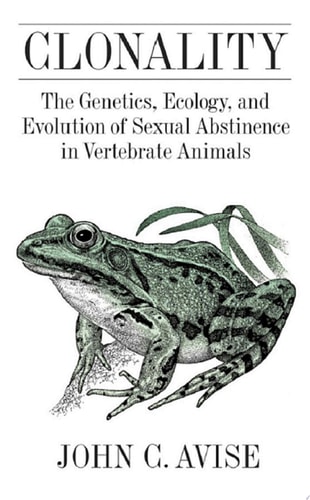
Clonality: The Genetics, Ecology, and Evolution of Sexual Abstinence in Vertebrate Animals
0
0
As an Amazon Associate and affiliate partner, Menrva Books earns from qualifying purchases. Learn more
Author Description
Approximately 99.9% of vertebrate species reproduce sexually. The exceptional 0.1% reproduce via asexual or clonal means, which vary wildly and are fascinating in their own right. In this book, John C. Avise describes the genetics, ecology, natural history, and evolution of the world's approximately 100 species of vertebrate animal that routinely display one form or another of clonal or quasi-clonal reproduction. By considering the many facets of sexual abstinence and clonal reproduction in vertebrate animals, Avise sheds new light on the biological meaning and ramifications of standard sexuality.
Menrva's Summary
THE THESIS
This book investigates the biological mechanisms and evolutionary significance of clonal reproduction within the rare subset of vertebrate species that abstain from sexual reproduction. John C. Avise, a distinguished geneticist, synthesizes data from genetics, ecology, and natural history to examine the approximately 100 vertebrate species that utilize asexual or quasi-clonal methods. The text presents a comparative framework to understand why sexual reproduction remains the dominant strategy while exploring the specific environmental and genetic conditions that allow clonal lineages to persist.
THE SCOPE MAP
What You Will Find
- Genetic analysis of clonal vertebrate lineages
- Ecological factors influencing asexual reproduction
- Evolutionary history of vertebrate species that bypass sexual reproduction
- Comparative study of approximately 100 distinct species
Scope Limits
- Does not provide an exhaustive catalog of all invertebrate clonal organisms
- Does not focus on laboratory-induced cloning techniques in non-natural settings
THE AUTHORITY PERSPECTIVE
Experts recognize this work as a comprehensive reference for understanding the rare exceptions to sexual reproduction in vertebrates. Readers frequently note the academic density of the prose, which is tailored for students and researchers in evolutionary biology.
Page Count:
245
Publication Date:
2008-01-01
Publisher:
Oxford University Press
ISBN-10:
0190451491
ISBN-13:
9780190451493
Science
Biology
Evolutionary Biology
Ecology
Evolution
Zoology
Genetics
Vertebrates
Community Tags
Similar Books