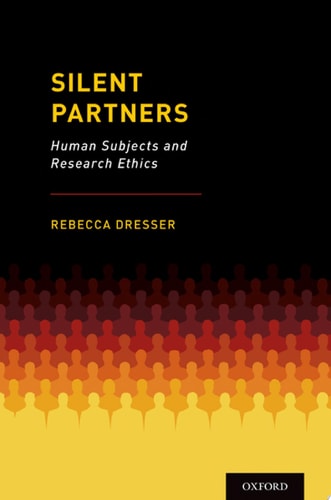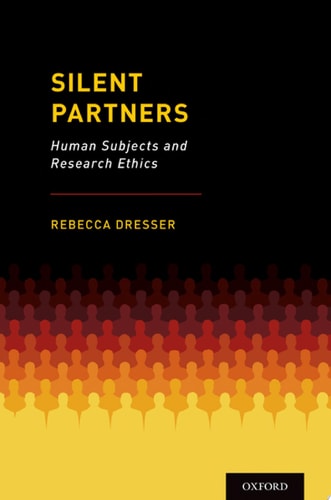
Silent Partners
0
0
As an Amazon Associate and affiliate partner, Menrva Books earns from qualifying purchases. Learn more
Author Description
When Is A Human Study Ethical? For Years, Science And Society Have Struggled With This Question. Experts Have Put Great Effort Into Developing Ethical Principles And Rules That Adequately Protect And Respect Volunteers In Studies Aimed At Improving Human Health. But Experts Have Missed Something Important. They Have Created A Research Ethics System Without The Help Of People Who Know What It Is Like To Be A Research Subject. This Is A Serious Omission. Experienced Research Subjects Can Make Valuable Contributions To Research Ethics. People Who Have Been In Studies Have Information About The Experience That Other People Can Overlook. Their Experience As Subjects Gives Them Special Insights Into Ethics, Too. Experienced Subjects Also Know About Problems That Can Lead People To Refuse To Join Studies, Or Drop Out Before Studies Are Complete. Scientists And Ethicists Often Speak Of Subjects As Partners In Research, But The Reality Is Quite Different. Experienced Subjects Are Rarely Appointed To The Advisory Groups That Create Guidelines For Ethical Research, Or To The Committees That Review Individual Studies To Determine Whether They Meet Ethical And Regulatory Standards. A Large Body Of Work Describes The Perceptions And Viewpoints Of People Who Have Participated In Research. But Experts Rarely Use This Material To Guide Improvements In Human Subject Protection. Although Subjects Have The Power To Decide Whether To Participate In A Study, They Have Little Control Over Anything Else That Goes On In Research. Silent Partners Moves Research Subjects To The Forefront. It Examines What Research Participation Is Like For Healthy Volunteers And Patients. It Explains Why Subjects' Voices Should Influence Research Ethics. Silent Partners Shows How Experienced Research Subjects Can Become Real-not Just Symbolic-partners In Research.
Menrva's Summary
THE THESIS
How can the inclusion of experienced research subjects transform the current framework of human subject protection and ethical oversight? Rebecca Dresser, a legal scholar and bioethicist, argues that the current research ethics system suffers from a critical blind spot by excluding the perspectives of those who have actually participated in clinical trials. By synthesizing existing literature on subject experiences and advocating for a shift in institutional policy, Dresser posits that incorporating these voices is necessary to create more effective, respectful, and transparent research practices.
THE SCOPE MAP
What You Will Find
- Analysis of the current disconnect between institutional ethics committees and the lived experience of research participants.
- A framework for integrating subject feedback into the development of research guidelines and regulatory standards.
- Examination of the barriers that lead to high attrition rates and participant reluctance in clinical studies.
Scope Limits
- The text does not provide a comprehensive legal manual for institutional review boards.
- It does not focus on animal research ethics or non-human clinical trials.
THE AUTHORITY PERSPECTIVE
Experts in bioethics frequently cite this work as a significant contribution to the discourse on patient-centered research. Readers often note that the prose is accessible to both medical professionals and the general public while maintaining rigorous academic standards.
Page Count:
208
Publication Date:
2016-01-01
Publisher:
Oxford University Press
ISBN-10:
019045928X
ISBN-13:
9780190459284
Sociology of Medicine
Medical Ethics
Bioethics
Science Policy
Community Tags
Similar Books