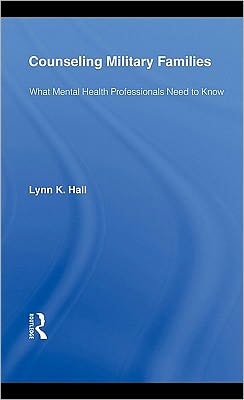
Counseling Military Families: What Mental Health Professionals Need to Know
0
0
As an Amazon Associate and affiliate partner, Menrva Books earns from qualifying purchases. Learn more
Author Description
According to the United States Department of Defense, by the end of 1993 there were 2,036,646 reservists and family members and 3,343,235 active duty and family members for a total of 5,379,781 people affected by the military. Since then, because of the conflict in Iraq, the numbers have dramatically increased. While we have always had military families in our midst, not since the Vietnam War have their struggles been so vivid, particularly with alarming rates of increase of both suicide and divorce among military personnel. The face of the military has changed; for the first time a volunteer army is serving in a major combat zone, the level of reservists serving is unprecedented, the percentage of women soldiers in virtually all positions is unprecedented and most of the soldiers have left spouses and/or families behind.The objectives of Counseling Military Families are to help the practicing counselor understand how the military works, what issues are constants for the military family, and what stressors are faced by the military member and the family. The book will begin with an overview of military life, including demographic information and examples of military family issues, before delving into specific chapters focused on the unique circumstances of reservists, career service personnel, spouses, and children. The final section of the book will present treatment models and targeted interventions tailored for use with military families. This book will help counselors tailor their interventions to work well with families who are in transition, who may have an ingrained resistance to asking for help and who will, more than likely, be available for counseling for a relatively short period of time.
Menrva's Summary
THE THESIS
How can mental health professionals effectively adapt their clinical practices to address the unique stressors and cultural dynamics of military families? Author Lynn K. Hall provides a comprehensive framework for clinicians navigating the complexities of military life, drawing on demographic data and the specific challenges faced by service members and their dependents. The text argues that traditional therapeutic approaches require modification to account for the transient nature of military service, the specific stressors of deployment, and the cultural resistance to seeking help often found within military populations.
THE SCOPE MAP
What You Will Find
- Demographic analysis of active duty personnel, reservists, and their families.
- Examination of the unique stressors affecting military spouses and children.
- Clinical treatment models specifically tailored for short-term, high-transition environments.
- Strategies for overcoming cultural barriers to mental health engagement within the military community.
THE AUTHORITY PERSPECTIVE
Clinicians and students of psychology frequently cite this work as a foundational resource for understanding the intersection of military culture and clinical practice. Experts highlight the book's practical utility in providing actionable intervention strategies for professionals working with transient populations.
Page Count:
328
Publication Date:
2010-01-01
Publisher:
Taylor & Francis Group
ISBN-10:
020389328X
ISBN-13:
9780203893289
Health
Psychology
Family Therapy
Mental Health
Psychological aspects
Family relationships
Social Work
Military
Counseling





![Loss, Grief, and Bereavement: A Guide for Counseling [Foundation of Thanatology Series]](https://storage.googleapis.com/menrva_img_storage/covers/9780030004896.jpg)