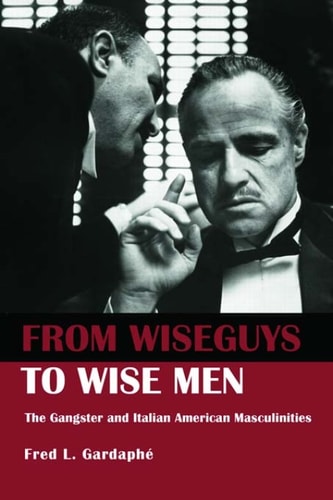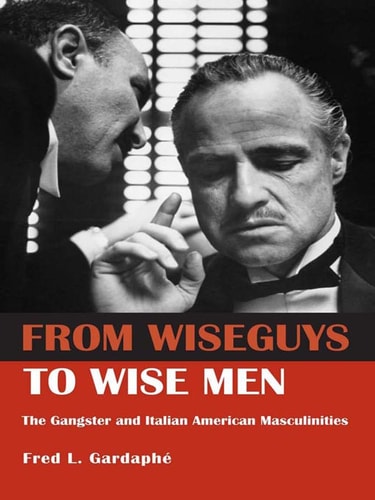
From Wiseguys to Wise Men
0
0
As an Amazon Associate and affiliate partner, Menrva Books earns from qualifying purchases. Learn more
Author Description
As the real American gangsters of yesterday recede into the history books, their iconic figures loom larger than ever. From Wiseguys to Wise Men studies the cultural figure of the gangster, and explores its social function in the construction and projection of masculinity in the United States. Gardaphe shows how the gangster can be seen as a 'trickster' figure. The trickster figure exists in many cultures and serves as a model of improper behavior. The gangster has served as that figure in American culture by showing what is and is not authentically American. It is not American to speak a language other than English. It is not American to use violence to secure business deals. It is not American to have both a mistress and a wife and family. However, in the hands of Italian-American artists, the gangster becomes a more telling figure in the tale of American race, gender, and ethnicity-a figure that reflects the autobiography of an immigrant group just as it reflects the fantasy of a native population. While this figure has been a part of American literature since even before Fitzgerald's The Great Gatsby, it has only been with the revolution in cinema, and the work of Francis Ford Coppola and Martin Scorsese that the figure of the gangster has been humanized and disseminated on a large scale. Gardaphe investigates the role of the gangster in their films, as well as the literature of such great Italian American writers as Mario Puzo and Gay Talese.By looking at the cultural icon of the gangster through the lens of gender and masculinity From Wiseguys to Wise Men presents new insights into material that has been part of American culture for close to 100 years.
Menrva's Summary
THE THESIS
This work investigates the cultural evolution of the gangster archetype in American media and its function in defining masculinity and immigrant identity. Fred Gardaphe, a scholar of Italian American culture, utilizes a multidisciplinary approach to analyze how the gangster figure transitioned from a symbol of illicit behavior to a complex vessel for exploring ethnic assimilation and social norms. By examining the intersection of race, gender, and ethnicity, the author argues that the gangster serves as a trickster figure that reflects both the realities of immigrant experiences and the projections of the native population.
THE SCOPE MAP
What You Will Find
- Analysis of the gangster archetype as a cultural trickster figure
- Examination of masculinity and gender roles within Italian American literature and cinema
- Critical study of works by Mario Puzo, Gay Talese, Francis Ford Coppola, and Martin Scorsese
- Historical overview of the gangster icon in American literature from the early 20th century to the present
THE AUTHORITY PERSPECTIVE
Scholars and critics recognize this text as a significant contribution to the study of Italian American representation in popular media. Readers frequently note the academic rigor of the prose and the author's ability to synthesize film theory with sociological analysis.
Page Count:
0
Publication Date:
2006-01-01
Publisher:
Taylor and Francis
ISBN-10:
020395498X
ISBN-13:
9780203954980
History
Nonfiction
Literary Criticism
Sociology
United States
Gangster films
In literature
American fiction
Film Criticism
Gender Studies