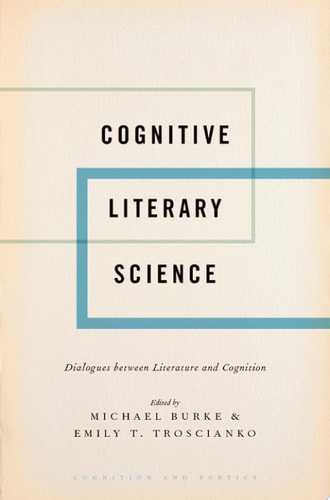
Cognitive Literary Science
0
0
As an Amazon Associate and affiliate partner, Menrva Books earns from qualifying purchases. Learn more
Author Description
This Book Brings Together Researchers With Cognitive-scientific And Literary Backgrounds To Present Innovative Research In All Three Variations On The Possible Interactions Between Literary Studies And Cognitive Science. The Tripartite Structure Of The Volume Reflects A More Ambitious Conception Of What Cognitive Approaches To Literature Are And Could Be Than Is Usually Encountered, And Thus Aims Both To Map Out And To Advance The Field. The First Section Corresponds To What Most People Think Of As Cognitive Poetics Or Cognitive Literary Studies: The Study Of Literature By Literary Scholars Drawing On Cognitive-scientific Methods, Findings, And/or Debates To Yield Insights Into Literature. The Second Section Demonstrates That Literary Scholars Needn't Only Make Use Of Cognitive Science To Study Literature, But Can Also, In A Reciprocally Interdisciplinary Manner, Use A Cognitively Informed Perspective On Literature To Offer Benefits Back To The Cognitive Sciences. Finally, The Third Section, Literature In Cognitive Science, Showcases Some Of The Ways In Which Literature Can Be A Stimulating Object Of Study And A Fertile Testing Ground For Theories And Models, Not Only To Literary Scholars But Also To Cognitive Scientists, Who Here Engage With Some Key Questions In Cognitive Literary Studies With The Benefit Of Their In-depth Scientific Knowledge And Training.
Menrva's Summary
THE THESIS
This volume investigates the potential for a reciprocal and interdisciplinary relationship between literary studies and cognitive science. Editors Emily T. Troscianko and Michael Burke assemble a collection of researchers from both fields to move beyond traditional cognitive poetics. The text argues that literature can serve as both a subject of cognitive analysis and a testing ground for scientific models of human cognition.
THE SCOPE MAP
What You Will Find
- A tripartite framework categorizing interactions between literary studies and cognitive science
- Methodologies for applying cognitive-scientific findings to literary analysis
- Case studies demonstrating how literary perspectives can inform cognitive science research
- Theoretical models for using literature as a stimulus in cognitive testing
Scope Limits
- The text does not provide a singular, unified theory of cognitive literature
- It does not cover historical literary criticism outside of the cognitive-scientific lens
THE AUTHORITY PERSPECTIVE
Experts recognize this volume as a significant contribution to the development of cognitive literary studies. Readers frequently note the academic density of the prose, which is intended for scholars and researchers familiar with both literary theory and cognitive science.
Page Count:
304
Publication Date:
2016-01-01
Publisher:
Oxford University Press
ISBN-10:
0190496878
ISBN-13:
9780190496876
Psychology
Literary Criticism
Interdisciplinary Studies
Academic
Community Tags
Similar Books