Seeking Imperialism's Embrace: National Identity, Decolonization, and Assimilation in the French Caribbean
0
0
As an Amazon Associate and affiliate partner, Menrva Books earns from qualifying purchases. Learn more
Author Description
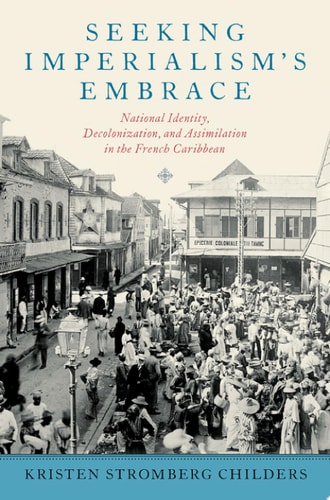
In 1946, at a time when other French colonies were just beginning to break free of French imperial control, the people of the French Antilles-the Caribbean islands of Martinique and Guadeloupe-voted to join the French nation as departments (Départments d'outre mer, or DOMs). Eschewing independence in favor of complete integration with the metropole, the people of the French Antilles affirmed their Frenchness in an important decision that would define their citizenship and shape their politics for decades to come. For Antilleans, this novel path was the natural culmination of a centuries-long quest for recognition of their equality with the French and a means of overcoming the entrenched political and economic power of the islands' white minority. Disappointment with departmentalization quickly set in, Kristen Stromberg Childers shows in this work, as the promised equality was slow in coming and Antillean contributions to World War II went unrecognized. Champions of departmentalization such as Aimé Césaire argued that the "race-blind" Republic was far from universal and egalitarian. The French government struggled to stem unrest through economic development, tourism, and immigration to the metropole, where labor was in short supply. Antilleans fought against racial and gender stereotypes imposed on them by European French and sought to stem the tide of white metropolitan workers arriving in the Antilles. Although departmentalization has been criticized as a weak alternative to national independence, it was overwhelmingly popular among Antilleans at the time of the vote, and subsequent disappointment reflects the broken promises of assimilation more than the misguided nature of the decision.Contrasting with the wars of decolonization in Algeria and Vietnam, Seeking Imperialism's Embrace examines the Antilleans' more peaceful but perhaps equally vexing process of forging a national identity in the French empire.
Menrva's Summary
THE THESIS
This work investigates why the French Antilles chose to integrate into the French nation as departments in 1946 rather than pursuing independence like other colonies. Kristen Stromberg Childers, a historian specializing in French Caribbean history, utilizes archival research and political analysis to argue that departmentalization was a strategic pursuit of equality and a rejection of local white minority power. She examines how the subsequent failure of the French state to deliver on promises of egalitarianism led to a complex crisis of identity and citizenship.
THE SCOPE MAP
What You Will Find
- Analysis of the 1946 departmentalization vote in Martinique and Guadeloupe
- Examination of the political rhetoric of figures like Aimé Césaire
- Study of post-war labor migration patterns between the Antilles and the metropole
- Investigation into the intersection of race, gender, and citizenship in the French Republic
Scope Limits
- The book does not provide a comprehensive history of the French Caribbean prior to the 20th century
- It focuses primarily on the political and social dynamics of departmentalization rather than military history
THE AUTHORITY PERSPECTIVE
Scholars and historians recognize this text as a significant contribution to the study of French colonial policy and the unique path of the Caribbean departments. Readers frequently note the academic density of the prose and the author's ability to contextualize the Antillean experience within the broader framework of the French empire.
Page Count:
287
Publication Date:
2016-01-01
Publisher:
Oxford University Press
ISBN-10:
019049493X
ISBN-13:
9780190494933
History
Acculturation
Sociology
Caribbean Studies
Nationalism
West Indies
European History
French History
Modern History
Community Tags
Similar Books