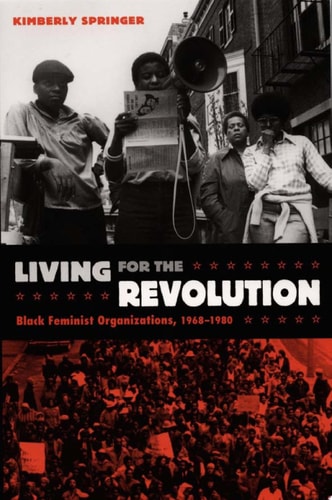
Living for the Revolution: Black Feminist Organizations, 1968–1980
0
0
As an Amazon Associate and affiliate partner, Menrva Books earns from qualifying purchases. Learn more
Author Description
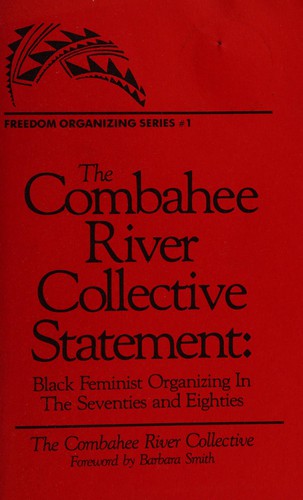
The first in-depth analysis of the black feminist movement, Living for the Revolution fills in a crucial but overlooked chapter in African American, women's, and social movement history. Through original oral history interviews with key activists and analysis of previously unexamined organizational records, Kimberly Springer traces the emergence, life, and decline of several black feminist organizations: the Third World Women's Alliance, Black Women Organized for Action, the National Black Feminist Organization, the National Alliance of Black Feminists, and the Combahee River Collective. The first of these to form was founded in 1968; all five were defunct by 1980. Springer demonstrates that these organizations led the way in articulating an activist vision formed by the intersections of race, gender, class, and sexuality. The organizations that Springer examines were the first to explicitly use feminist theory to further the work of previous black women's organizations. As she describes, they emerged in response to marginalization in the civil rights and women's movements, stereotyping in popular culture, and misrepresentation in public policy. Springer compares the organizations' ideologies, goals, activities, memberships, leadership styles, finances, and communication strategies. Reflecting on the conflicts, lack of resources, and burnout that led to the demise of these groups, she considers the future of black feminist organizing, particularly at the national level. Living for the Revolution is an essential reference: it provides the history of a movement that influenced black feminist theory and civil rights activism for decades to come.
Menrva's Summary
THE THESIS
This book investigates the emergence, life, and decline of Black feminist organizations between 1968 and 1980. Kimberly Springer, drawing on original oral history interviews and organizational records, analyzes five key groups: the Third World Women's Alliance, Black Women Organized for Action, the National Black Feminist Organization, the National Alliance of Black Feminists, and the Combahee River Collective. These organizations were pivotal in articulating activist visions shaped by the intersections of race, gender, class, and sexuality, and were the first to explicitly apply feminist theory to advance the work of previous Black women's organizations. Springer examines their responses to marginalization within broader social movements, public stereotyping, and policy misrepresentation, comparing their ideologies, goals, activities, memberships, leadership styles, finances, and communication strategies.
THE SCOPE MAP
- Analysis of the Third World Women's Alliance, Black Women Organized for Action, the National Black Feminist Organization, the National Alliance of Black Feminists, and the Combahee River Collective.
- Exploration of the historical context of marginalization within the civil rights and women's movements.
- Examination of how Black feminist organizations developed activist visions at the intersections of race, gender, class, and sexuality.
- Comparison of organizational ideologies, goals, activities, memberships, leadership styles, finances, and communication strategies.
- Reflection on the conflicts, lack of resources, and burnout that contributed to the demise of these groups.
- Consideration of the future of Black feminist organizing, particularly at the national level.
THE AUTHORITY PERSPECTIVE
The book provides an in-depth analysis of a crucial but overlooked chapter in social movement history, influencing Black feminist theory and activism. It is regarded as an essential reference for understanding the development and impact of these organizations. The work is noted for its use of original oral history interviews and previously unexamined organizational records. Its comprehensive comparison of organizational structures and strategies offers significant insight into the challenges and legacies of Black feminist organizing.
Page Count:
240
Publication Date:
2005-04-28
Publisher:
Duke University Press
ISBN-10:
0822386852
ISBN-13:
9780822386858
History
Non-Fiction
Activism
Feminism
Community Tags
Similar Books