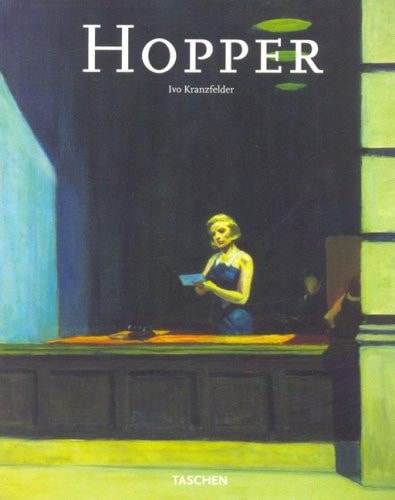
Edward Hopper 1882-1967: Vision of Reality
0
0
As an Amazon Associate and affiliate partner, Menrva Books earns from qualifying purchases. Learn more
Author Description
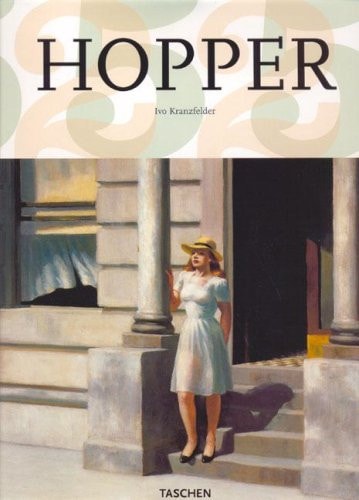
Edward Hopper (1882-1967) is considered the first significant American painter in 20th century art. Living in a secluded country house with his wife, Josephine, he depicted the loneliness of big city people in canvas after canvas. Probably the most famous of them, "Nightawks", done in 1942, shows a couple seated quietly, as if turned inwards upon themselves, in the harsh artificial light of an all-night restaurant. Many of Hopper's pictures represent views of streets and roads, rooftops, abandoned houses, depicted in brilliant light that strangely belies the melancholy mood of the scenes. Hopper's paintings are marked by striking juxtapositions of color, and by the clear contours with which the figures are demarcated from their surroundings. His extremely precise focus on the theme of modern men and women in the natural and man-made environment sometimes lends his pictures a mood of eerie disquiet. In "House by the Railroad", a harsh interplay of light and shadow makes the abandoned building seem veritably threatening. On the other hand, Hopper's renderings of rocky landscapes in warm brown hues, or his depictions of the seacoast, exude an unusual tranquillity that reveals another, more optimistic side of his character.
Menrva's Summary
THE THESIS
This book explores the life and work of Edward Hopper, a pivotal figure in 20th-century American art. The text details Hopper's artistic development, his characteristic depiction of urban loneliness and melancholy through striking color juxtapositions and clear contours, and his nuanced portrayal of both disquieting cityscapes and tranquil landscapes. It examines key works such as "Nighthawks" and "House by the Railroad," analyzing the interplay of light, shadow, and composition that defines his unique style.
THE SCOPE MAP
- A comprehensive overview of Edward Hopper's artistic career from 1882 to 1967.
- Analysis of Hopper's signature themes: urban isolation, modern life, and the American environment.
- Detailed examination of famous paintings including "Nighthawks" and "House by the Railroad."
- Exploration of Hopper's use of color, light, shadow, and precise contours.
- Discussion of the juxtaposition of moods in his works, from eerie disquiet to unusual tranquility.
- Insights into Hopper's personal life, including his relationship with his wife, Josephine.
- Contextualization of Hopper within the broader landscape of 20th-century American art.
THE AUTHORITY PERSPECTIVE
This biography of Edward Hopper is recognized for its thorough examination of his artistic contributions and personal life. The author, Ivo Kranzfelder, delves into Hopper's distinctive style, characterized by stark juxtapositions of color and precise contours, which effectively convey the loneliness and melancholy of modern urban existence. The book highlights how Hopper's masterful use of light and shadow creates both unsettling and tranquil moods, offering a comprehensive perspective on his influential body of work. It is considered a valuable resource for understanding one of America's most significant painters.
Page Count:
200
Publication Date:
2006-03-01
Publisher:
Taschen Espana
ISBN-10:
3822850101
ISBN-13:
9783822850107
Non-Fiction
Biography
Art
Painting
Art History
American Art