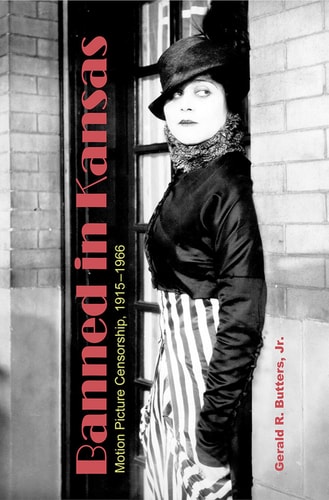
Banned in Kansas: Motion Picture Censorship, 1915-1966
0
0
As an Amazon Associate and affiliate partner, Menrva Books earns from qualifying purchases. Learn more
Author Description
If you caught a movie in Kansas through much of the past century, you're likely to have seen a different version than did the rest of America. Theda Bara's depictions of wicked sexuality were off-limits, and a film such as the 1932 Scarface showed far too much violence for decent folk--a threat to Protestant culture and to the morals of the general population. In 1915, Kansas became one of only a handful of states to establish its own film censorship board. The Kansas board controlled screen content in the state for more than fifty years, yet little is known about its activities. This first book-length study of state film censorship examines the unique political, social, and economic factors that led to its implementation in Kansas, examining why censorship legislation was enacted, what the attitudes of Kansans were toward censorship, and why it lasted for half a century. Cinema historian Gerald Butters places the Kansas Board of Review's attempts to control screen content in the context of nationwide censorship efforts during the early part of the twentieth century. He tells how factors such as Progressivism, concern over child rearing, and a supportive press contributed to censorship, and he traces the board's history from the problems posed by the emergence of "talkies" through changing sexual mores in the 1920s to challenges to its power in the 1950s. In addition to revealing the fine points of film content deemed too sensitive for screening, Butters describes the daily operations of the board, illustrating the difficulties it encountered as it wrestled not only with constantly shifting definitions of morality but also with the vagaries of the political and legal systems. Stills from motion pictures illustrate the type of screen content the board attempted to censor. As Kansas faced the march of modernity, even state politicians began to criticize film censorship, and Butters tells how by the 1960s the board was fighting to remain relevant
Menrva's Summary
THE THESIS
This book investigates the history and impact of Kansas's state film censorship board, which operated from 1915 to 1966. Gerald R. Butters examines the unique political, social, and economic factors that led to the board's establishment and its fifty-year tenure. The study explores Kansans' attitudes toward censorship, the evolving definitions of morality, and the daily operations of the board as it navigated shifting cultural landscapes and legal challenges. It places Kansas's censorship efforts within the broader context of nationwide movements during the early twentieth century.
THE SCOPE MAP
- The political, social, and economic factors leading to Kansas's film censorship legislation.
- Attitudes of Kansans toward censorship and reasons for its longevity.
- The context of nationwide censorship efforts in the early twentieth century.
- The impact of Progressivism, concerns over child-rearing, and media support on censorship.
- The board's history from the emergence of 'talkies' through changing sexual mores and later challenges.
- Specific examples of film content deemed too sensitive for screening.
- The daily operations of the board and the difficulties it faced.
THE AUTHORITY PERSPECTIVE
The book is a detailed historical account of film censorship in Kansas, offering a comprehensive look at the state's unique regulatory history. It is recognized for its thorough examination of the political, social, and economic forces that shaped censorship policies over five decades. The work is noted for its exploration of the daily operations of the censorship board and the challenges it encountered. By contextualizing Kansas's experience within national trends, the book provides valuable insights into the broader history of film regulation in America.
Page Count:
368
Publication Date:
2016-01-01
Publisher:
University of Missouri Press
ISBN-10:
0826221106
ISBN-13:
9780826221100
History
Non-Fiction
Censorship
Film Studies
American History
Community Tags
Other Editions(2)
Similar Books















Reader Comments
Share Your Thoughts
No comments yet. Be the first to share your thoughts!