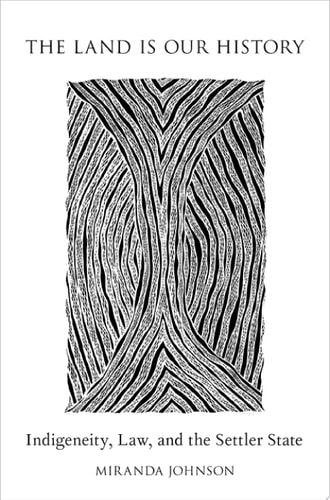
Land Is Our History: Indigeneity, Law, and the Settler State
0
0
As an Amazon Associate and affiliate partner, Menrva Books earns from qualifying purchases. Learn more
Author Description
The Land Is Our History Tells The Story Of Indigenous Legal Activism At A Critical Political And Cultural Juncture In Australia, Canada, And New Zealand. In The Late 1960s, Indigenous Activists Protested Assimilation Policies And The Usurpation Of Their Lands As A New Mining Boom Took Off, Radically Threatening Their Collective Identities. Often Excluded From Legal Recourse In The Past, Indigenous Leaders Took Their Claims To Court With Remarkable Results. For The First Time, Their Distinctive Histories Were Admitted As Evidence Of Their Rights. Miranda Johnson Examines How Indigenous Peoples Advocated For Themselves In Courts And Commissions Of Inquiry Between The Early 1970s To The Mid-1990s, Chronicling An Extraordinary And Overlooked History In Which Virtually Disenfranchised Peoples Forced Powerful Settler Democracies To Reckon With Their Demands. Based On Extensive Archival Research And Interviews With Leading Participants, The Land Is Our History Brings To The Fore Complex And Rich Discussions Among Activists, Lawyers, Anthropologists, Judges, And Others In The Context Of Legal Cases In Far-flung Communities Dealing With Rights, History, And Identity. The Effects Of These Debates Were Unexpectedly Wide-ranging. By Asserting That They Were The First Peoples Of The Land, Indigenous Leaders Compelled The Powerful Settler States That Surrounded Them To Negotiate Their Rights And Status. Fracturing National Myths And Making New Stories Of Origin Necessary, Indigenous Peoples' Claims Challenged Settler Societies To Rethink Their Sense Of Belonging.
Menrva's Summary
THE THESIS
How did Indigenous legal activism in Australia, Canada, and New Zealand force settler states to confront their own histories and recognize Indigenous land rights during the late 20th century? Miranda Johnson, a historian specializing in Indigenous and settler relations, utilizes extensive archival research and primary source interviews to analyze the shift in legal recognition. She argues that by introducing their own distinct histories as evidence in courts and commissions, Indigenous leaders successfully challenged the legitimacy of settler state narratives and compelled significant political negotiation.
THE SCOPE MAP
What You Will Find
- Comparative analysis of legal and political developments in Australia, Canada, and New Zealand.
- Examination of the intersection between anthropology, law, and Indigenous activism.
- Documentation of specific court cases and commissions of inquiry from the 1970s to the 1990s.
Scope Limits
- The analysis is restricted to the specific timeframe of the early 1970s to the mid-1990s.
- The study focuses primarily on legal and formal political forums rather than grassroots protest movements outside of the courtroom.
THE AUTHORITY PERSPECTIVE
Scholars and legal historians recognize this work as a significant contribution to the study of post-colonial legal frameworks and Indigenous rights. Readers frequently note the academic density of the prose and the meticulous nature of the archival research presented.
Page Count:
320
Publication Date:
2016-01-01
Publisher:
Oxford University Press, Incorporated
ISBN-10:
0190600039
ISBN-13:
9780190600037
History
Law
Colonialism
Human rights
Community Tags
Similar Books