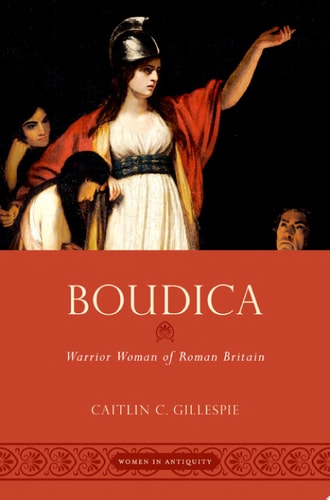
Boudica: Warrior Woman of Roman Britain
0
0
As an Amazon Associate and affiliate partner, Menrva Books earns from qualifying purchases. Learn more
Author Description
In Ad 60/61, Rome Almost Lost The Province Of Britain To A Woman. Boudica, Wife Of The Client King Prasutagus, Fomented A Rebellion That Proved Catastrophic For Camulodunum (colchester), Londinium (london), And Verulamium (st Albans), Destroyed Part Of A Roman Legion, And Caused The Deaths Of An Untold Number Of Veterans, Families, Soldiers, And Britons. Yet With One Decisive Defeat, Her Vision Of Freedom Was Destroyed, And The Iceni Never Rose Again. Boudica: Warrior Woman Of Roman Britain Introduces Readers To The Life And Literary Importance Of Boudica Through Juxtaposing Her Different Literary Characterizations With Those Of Other Women And Rebel Leaders. This Study Focuses On Our Earliest Literary Evidence, The Accounts Of Tacitus And Cassius Dio, And Investigates Their Narratives Alongside Material Evidence Of Late Iron Age And Early Roman Britain. Throughout The Book, Caitlin Gillespie Draws Comparative Sketches Between Boudica And The Positive And Negative Examples With Which Readers Associate Her, Including The Prophetess Veleda, The Client Queen Cartimandua, And The Rebel Caratacus. Literary Comparisons Assist In The Understanding Of Boudica As A Barbarian, Queen, Mother, Commander In War, And Leader Of Revolt. Within The Ancient Texts, Boudica Is Also Used As An Internal Commentator On The Failures Of The Emperor Nero, And Her Revolt Epitomizes Ongoing Conflicts Of Gender And Power At The End Of The Juilio-claudian Era. Both Literary And Archaeological Sources Point Towards Broader Issues Inherent In The Clash Between Roman And Native Cultures. Boudica's Unique Ability To Unify Disparate Groups Of Britons Cemented Her Place In The History Of Roman Britain. While Details Of Her Life Remain Elusive, Her Literary Character Still Has More To Say.
Menrva's Summary
THE THESIS
This study investigates how ancient literary accounts and archaeological evidence construct the historical and symbolic identity of the Iceni queen Boudica. Caitlin C. Gillespie, a scholar of classical history, analyzes the primary narratives provided by Tacitus and Cassius Dio to determine how these authors utilized Boudica as a vehicle for political commentary on the Roman Empire. By juxtaposing these texts with material evidence from Iron Age and early Roman Britain, the author examines the intersection of gender, power, and cultural conflict during the Julio-Claudian era.
THE SCOPE MAP
What You Will Find
- Comparative analysis of Boudica against historical figures like Veleda, Cartimandua, and Caratacus
- Examination of the literary function of Boudica as a critique of Emperor Nero
- Synthesis of archaeological data from sites such as Camulodunum, Londinium, and Verulamium
Scope Limits
- The book does not provide a definitive biography of Boudica due to the scarcity of contemporary evidence
- The study does not cover the post-Roman legacy or modern cultural reception of the queen
THE AUTHORITY PERSPECTIVE
Experts highlight this work as a rigorous academic examination of how ancient historiography shapes our understanding of non-Roman leaders. Readers frequently note the scholarly density of the prose, which prioritizes textual analysis over narrative biography.
Page Count:
192
Publication Date:
2018-01-01
Publisher:
Oxford University Press
ISBN-10:
0190609095
ISBN-13:
9780190609092
History
Biography
Ancient History
Gender Studies
Roman Britain
Community Tags
Similar Books