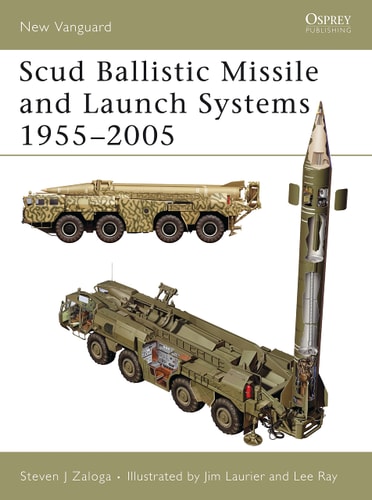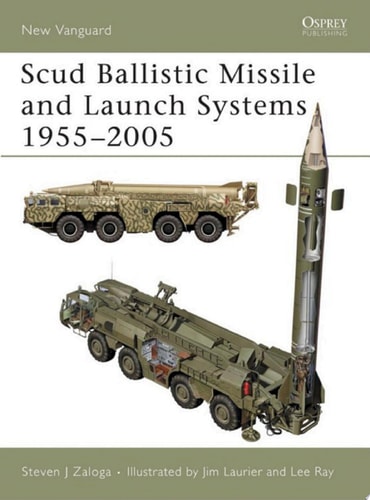
Scud Ballistic Missile and Launch Systems 1955–2005
0
0
As an Amazon Associate and affiliate partner, Menrva Books earns from qualifying purchases. Learn more
Author Description
The Scud missile was developed as the centerpiece of Soviet plans to fight nuclear war in the heart of Europe. However, it was never used in its intended role and has instead become a symbol of the changing nature of warfare in the aftermath of the Cold War. Saddam Hussein's Iraqi armed forces were almost helpless in the face of the Coalition forces in the 1991 Gulf War; the only weapon that Iraq could use to injure the Coalition forces was its arsenal of Scud missiles. This book explores the development and variants of the missile and its launch systems, its proliferation outside of the West, and its role in conflicts around the world.
Menrva's Summary
THE THESIS
The Scud missile, initially conceived as a cornerstone of Soviet nuclear war strategy in Europe, ultimately became a symbol of evolving global conflict. Developed by the Soviet Union, the Scud missile's intended role in a large-scale nuclear confrontation never materialized; instead, it gained notoriety as a weapon of asymmetric warfare, notably during the 1991 Gulf War where it represented Iraq's primary means of striking Coalition forces. This book examines the missile's lineage, its various iterations and launch platforms, its spread beyond Soviet influence, and its impact on international conflicts.
THE SCOPE MAP
- The development and evolution of the Scud missile and its associated launch systems.
- Analysis of the missile's proliferation and its adoption by various nations.
- Examination of the Scud's role and impact in significant global conflicts, particularly the 1991 Gulf War.
- Discussion of the missile's transition from a Cold War strategic weapon to a tool of modern asymmetric warfare.
THE AUTHORITY PERSPECTIVE
This work is recognized for its detailed exploration of the Scud missile's technical development and its geopolitical significance. It provides a comprehensive overview of the weapon's history, from its Soviet origins through its use in post-Cold War conflicts. The book is likely to appeal to historians, military enthusiasts, and those interested in the proliferation of advanced weaponry.
Page Count:
48
Publication Date:
2013-03-20
Publisher:
Bloomsbury UK
ISBN-10:
147280306X
ISBN-13:
9781472803061
History
Non-Fiction
Cold War
Geopolitics
Weaponry
Military History