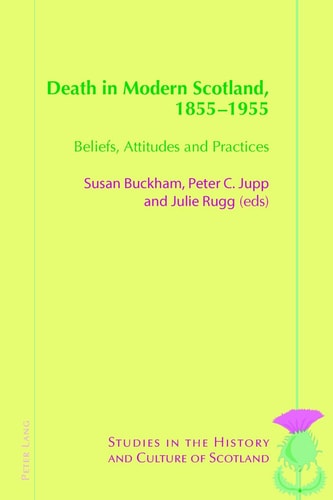
Death in Modern Scotland, 1855-1955: Beliefs, Attitudes and Practices
0
0
As an Amazon Associate and affiliate partner, Menrva Books earns from qualifying purchases. Learn more
Author Description
The period 1855 to 1955 was pivotal for modern Scottish death culture. Within art and literature death was a familiar companion, with its imagined presence charting the fears and expectations behind the public face of mortality. Framing new concepts of the afterlife became a task for both theologians and literary figures, both before and after the Great War. At the same time, medical and legal developments began to shift mortality into the realms of regulation and control. This interdisciplinary collection draws from the fields of art, literature, social history, religion, demography, legal history and architectural and landscape history. The essays employ a range of methodologies and materials - visual, statistical, archival and literary - to illustrate the richness of the primary sources for studying death in Scotland. They highlight a number of intersecting themes, including spirituality and the afterlife, the impact of war, materiality and the disposal of the body, providing new perspectives on how attitudes towards death have affected human behaviour on both personal and public levels, and throwing into relief some of the unique features of Scottish society.
Menrva's Summary
THE THESIS
This collection investigates the evolution of death culture in Scotland between 1855 and 1955, a period marked by significant shifts in beliefs, attitudes, and practices. The essays explore how mortality was depicted in art and literature, reflecting public fears and expectations, while theologians and literary figures grappled with new concepts of the afterlife. Concurrently, medical and legal advancements began to categorize and regulate death, moving it into the domain of official control. This interdisciplinary work utilizes diverse methodologies and primary sources, including visual, statistical, archival, and literary materials, to illuminate the unique aspects of Scottish society and its relationship with mortality.
THE SCOPE MAP
- Exploration of death in Scottish art and literature as a reflection of societal fears and expectations.
- Analysis of theological and literary contributions to new concepts of the afterlife.
- Examination of medical and legal developments in the regulation and control of mortality.
- Interdisciplinary perspectives from art, literature, social history, religion, demography, legal history, and architectural/landscape history.
- Use of diverse primary sources: visual, statistical, archival, and literary.
- Focus on intersecting themes: spirituality, the afterlife, the impact of war, and the materiality of body disposal.
- New perspectives on how attitudes towards death influenced personal and public behavior.
- Highlighting unique features of Scottish society in relation to mortality.
THE AUTHORITY PERSPECTIVE
This collection offers a comprehensive interdisciplinary study of death culture in Scotland during a transformative century. The essays are noted for their engagement with a wide array of primary sources, from visual art to legal documents, providing rich insights into societal attitudes. The work is structured around key themes such as spirituality, the impact of war, and the disposal of the body, offering a nuanced understanding of how mortality has shaped human behavior. By focusing on Scotland, the collection also sheds light on the distinct cultural and historical factors influencing its relationship with death.
Page Count:
336
Publication Date:
2016-01-01
Publisher:
Peter Lang
ISBN-10:
3034318219
ISBN-13:
9783034318211
Non-Fiction
History
Scottish History
Art History
Cultural History
Social History
Death Studies
Legal History
Community Tags
Other Editions(2)
Similar Books














