Colonial Africa, 1885-1939
0
0
As an Amazon Associate and affiliate partner, Menrva Books earns from qualifying purchases. Learn more
Author Description
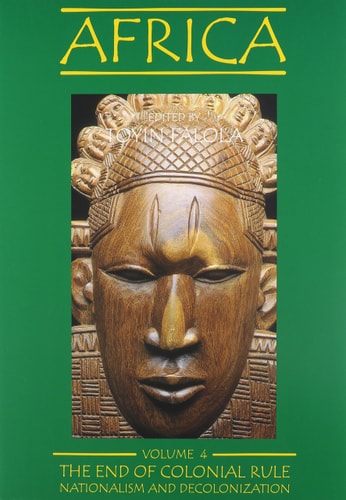
In this fourth volume of the Africa series, Falola presents various aspects of African history and culture from the period of World War II to the time when African countries became free of European rule. The book's primary aim is to present the broad picture of Africa in the last decades of colonial rule. The theme of nationalism occupies a prominent place: four chapters are devoted to its analysis, including the contributions of women, which have generally been ignored. This period of African history was also a time of reform, when Africa actually began to see significant changes. Various chapters are devoted to those reforms and other important social aspects of the time, notably health, business, and education. The authors pay attention to the role of Africans in initiating some of these major changes. In the second part of the book, the themes are analyzed chronologically, focusing on each region in turn. The final part reflects on what colonialism meant for Africa, both during the period of European rule and since independence. The concluding chapters prepare the reader to understand contemporary Africa, which is covered in Volume 5, the last in the series. This is the fourth volume in a series of textbooks entitled Africa. Contributors to the volumes are African Studies teachers from a variety of schools and settings. Writing from their individual areas of expertise, these authors work together to break stereotypes about Africa, focusing instead on the substantive issues of the African past from the perspectives of Africans themselves. The organization of the books is flexible enough to suit the needs of any instructor, and the texts include illustrations, maps and timelines to make cultural and historical movements clearer. Suggestions for further reading that will help students broaden their own interests are also included. Africa challenges the accepted ways of studying Africa and encourages students who are eager to learn about the diversity of the Afr
Menrva's Summary
THE THESIS
This book examines the multifaceted experiences of Africa during the latter decades of European colonial rule, from the period following World War II until the dawn of independence. It aims to provide a comprehensive overview of the continent's history and culture during this transformative era, with a particular focus on the rise of nationalism and the significant social, economic, and political reforms that reshaped African societies. The work highlights the agency of Africans in driving these changes and offers diverse perspectives from African Studies teachers.
THE SCOPE MAP
- Analysis of African nationalism, including the often-overlooked contributions of women.
- Detailed exploration of reforms and social changes in health, business, and education.
- Chronological regional analysis of themes in the latter part of the colonial period.
- Reflection on the meaning and impact of colonialism, both during and after European rule.
- Contributions from African Studies teachers aiming to challenge stereotypes and present African perspectives.
- Inclusion of illustrations, maps, and timelines to clarify historical movements.
- Suggestions for further reading to encourage deeper student engagement.
THE AUTHORITY PERSPECTIVE
As the fourth volume in the 'Africa' textbook series, this book is designed for academic use, offering a structured approach to understanding the late colonial period. The contributors, experienced African Studies teachers, focus on presenting substantive historical issues from African viewpoints, aiming to dismantle stereotypes. The inclusion of regional analyses, thematic explorations of nationalism and reform, and pedagogical aids like maps and illustrations suggests a text intended to provide a thorough and accessible overview for students and instructors alike. Its organization is noted as flexible for various course structures.
Page Count:
564
Publication Date:
2000-01-01
Publisher:
Carolina Academic Press
ISBN-10:
0890892024
ISBN-13:
9780890892022
History
Non-Fiction
Nationalism
Social History
African history
Colonialism
Community Tags
Similar Books