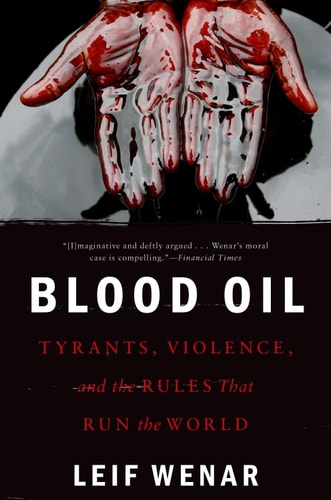
Blood Oil: Tyrants, Violence, and the Rules that Run the World
0
0
As an Amazon Associate and affiliate partner, Menrva Books earns from qualifying purchases. Learn more
Author Description
Natural resources like oil and minerals are the largest source of unaccountable power in the world. Petrocrats like Putin and the Saudis spend resource money on weapons and oppression; militants in Iraq and in the Congo spend resource money on radicalization and ammunition. Resource-fueled authoritarians and extremists present endless crises to the West-and the source of their resource power is ultimately ordinary consumers, doing their everyday shopping at the gas station and the mall.In this sweeping book, one of today's leading political philosophers, Leif Wenar, goes behind the headlines in search of the hidden global rule that thwarts democracy and development-and that puts shoppers into business with some of today's most dangerous men. Wenar discovers a rule that once licensed the slave trade and apartheid and genocide, a rule whose abolition has marked some of humanity's greatest triumphs--yet a rule that still enflames tyranny and war and terrorism through today's multi-trillion dollar resource trade.Blood Oil shows how the West can now lead a peaceful revolution by ending its dependence on authoritarian oil, and by getting consumers out of business with the men of blood. The book describes practical strategies for upgrading world trade: for choosing new rules that will make us more secure at home, more trusted abroad, and better able to solve pressing global problems like climate change. Blood Oil shows citizens, consumers, and leaders how we can act together today to create a more united human future.
Menrva's Summary
THE THESIS
Leif Wenar investigates the global legal framework that allows authoritarian regimes to profit from natural resource sales, arguing that this system directly funds oppression and undermines international stability. Drawing on his background as a political philosopher, Wenar analyzes the historical and legal precedents that govern the trade of oil and minerals. He posits that the current rules of international commerce effectively empower dictators and militants by legitimizing their control over resources. The book proposes a shift in trade policy to decouple consumer demand from the financial support of autocratic regimes.
THE SCOPE MAP
What You Will Find
- Analysis of the 'effective control' rule in international trade law.
- Historical comparisons to the abolition of the slave trade and apartheid.
- Proposed strategies for consumer-led and policy-driven reform of resource markets.
Scope Limits
- Does not provide a comprehensive technical manual for individual divestment strategies.
- Focuses primarily on the legal and philosophical framework rather than granular geopolitical military strategy.
THE AUTHORITY PERSPECTIVE
Experts and political theorists frequently cite this work for its rigorous philosophical examination of the moral implications of global trade. Readers often note the academic density of the prose, which balances complex legal theory with accessible arguments for policy reform.
Page Count:
552
Publication Date:
2017-05-01
Publisher:
Oxford University Press
ISBN-10:
0190659963
ISBN-13:
9780190659967
Philosophy
Economics
Human rights
Developing Countries
Globalization
International relations
Community Tags
Other Editions(2)

Similar Books