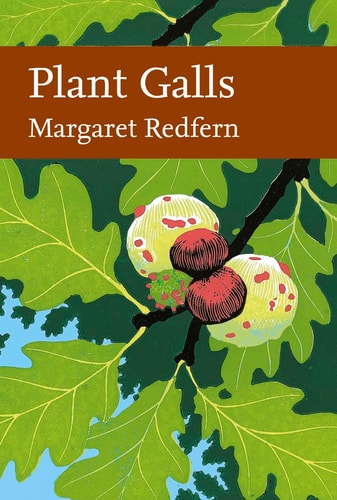
Plant Galls
0
0
As an Amazon Associate and affiliate partner, Menrva Books earns from qualifying purchases. Learn more
Author Description
A much-needed new study on plant galls – growths on plants formed of plant tissue that are caused by other organisms.Most naturalists have come across oak apples, robin’s pincushions, marble galls and witches’ brooms, a few of the more familiar examples of the strange growths that are plant galls. They are beautiful, often bizarre and colourful, and amazingly diverse in structure and in the organisms which cause them. They have been known since ancient times and have attracted superstitions and folk customs. Both the ancient Greeks and the Chinese used them in herbal medicine, and until well into the nineteenth century, they had a variety of commercial uses: important for dyeing cloth, tanning leather and for making ink.Knowledge of gall types increased during the late nineteenth century and throughout the twentieth century as more species were described and their structure became more clearly understood, and yet even today, little is known about the mechanisms that cause gall formation as well as the life cycles of the organisms that initiate gall growth. Since most galls do not cause any economic damage to crop plants, research funding has traditionally been sparse in this area. However, the insect cycles and gall structures are amazing examples of the complexity of nature.Margaret Redfern explores these fascinating complexities in this latest New Naturalist volume, providing much-needed insight into the variety of galls of different types caused by a wide range of organisms including fungi, insects and mites. She discusses the ecology of galls more generally and focuses on communities of organisms within galls, the evolution and distribution of galls, as well as human and historical perspectives.
Menrva's Summary
THE THESIS
This volume investigates the biological mechanisms, ecological significance, and historical utility of plant galls, addressing the persistent gaps in scientific understanding regarding their formation. Margaret Redfern, an expert in the field, synthesizes existing research to demystify these complex growths caused by insects, mites, and fungi. The text provides a comprehensive framework for identifying various gall types while exploring the evolutionary pressures that drive their development and the intricate communities that inhabit them.
THE SCOPE MAP
What You Will Find
- Detailed analysis of gall-inducing organisms including insects, mites, and fungi.
- Historical context regarding the use of galls in medicine, dyeing, and ink production.
- Examination of the ecological communities and life cycles within gall structures.
- Discussion on the evolution, distribution, and structural diversity of plant galls.
THE AUTHORITY PERSPECTIVE
As part of the long-running Collins New Naturalist Library, this work serves as a dense, authoritative reference for both amateur naturalists and professional biologists. The text provides a rigorous, academic exploration of a niche subject, offering a thorough synthesis of current scientific knowledge in an accessible yet scholarly format.
Page Count:
576
Publication Date:
2011-04-28
Publisher:
Collins
ISBN-10:
0002201437
ISBN-13:
9780002201438
Science
Nature
Natural History
Ecology
Entomology
Galls Botany
Botany