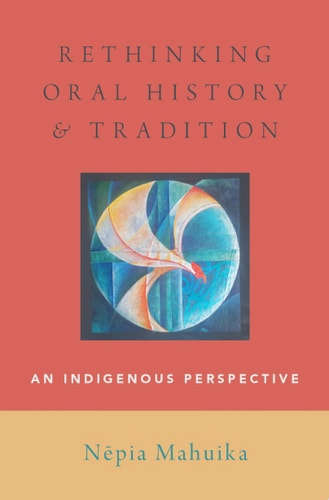
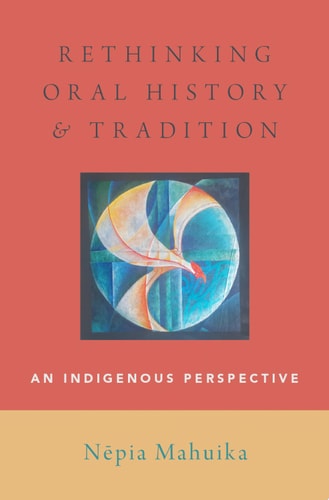
Rethinking Oral History and Tradition: An Indigenous Perspective
0
0
As an Amazon Associate and affiliate partner, Menrva Books earns from qualifying purchases. Learn more
Author Description
Indigenous peoples have our own ways of defining oral history. For many, oral sources are shaped and disseminated in multiple forms that are more culturally textured than just standard interview recordings. For others, indigenous oral histories are not merely fanciful or puerile myths or traditions, but are viable and valid historical accounts that are crucial to native identities and the relationships between individual and collective narratives. This book challenges popular definitions of oral history that have displaced and confined indigenous oral accounts as merely oral tradition. It stands alongside other marginalized community voices that highlight the importance of feminist, Black, and gay oral history perspectives, and is the first text dedicated to a specific indigenous articulation of the field. Drawing on a Maori indigenous case study set in Aotearoa New Zealand, this book advocates a rethinking of the discipline, encouraging a broader conception of the way we do oral history, how we might define its form, and how its politics might move beyond a subsuming democratization to include nuanced decolonial possibilities.
Menrva's Summary
THE THESIS
This work investigates the limitations of conventional oral history methodologies when applied to Indigenous knowledge systems and advocates for a decolonial framework that recognizes oral traditions as valid historical accounts. Nēpia Mahuika, a scholar specializing in Indigenous history and methodology, draws upon his expertise to critique the Western-centric academic standards that often relegate Indigenous narratives to the status of myth. By centering the discussion on Maori perspectives from Aotearoa New Zealand, the author argues for a more inclusive discipline that respects the cultural texture and political significance of Indigenous oral sources.
THE SCOPE MAP
What You Will Find
- A critical analysis of the intersection between oral history and Indigenous tradition
- A case study focusing on Maori oral history practices in Aotearoa New Zealand
- Theoretical frameworks for decolonizing historical research methodologies
- Comparative discussions linking Indigenous perspectives to feminist, Black, and queer oral history movements
Scope Limits
- The text does not provide a comprehensive global survey of all Indigenous oral traditions
- The book does not serve as a general handbook for conducting standard interview-based oral history projects
THE AUTHORITY PERSPECTIVE
Scholars and practitioners in the field of oral history identify this text as a significant contribution to the diversification of historical methodology. Readers frequently note the academic density of the prose, which serves as a foundational resource for those seeking to integrate decolonial practices into their research.
Page Count:
281
Publication Date:
2019-01-01
Publisher:
Oxford University Press
ISBN-10:
0190681705
ISBN-13:
9780190681708
History
Oral History
Anthropology
Sociology
Oral Tradition
Special Topics
New Zealand
Community Tags
Other Editions(2)
Similar Books