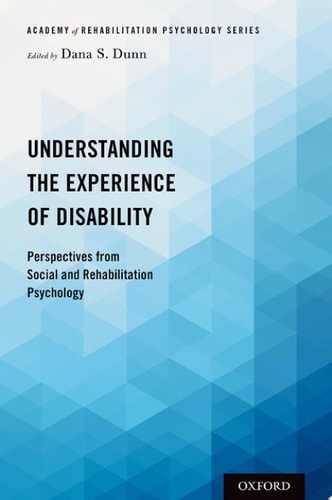
Understanding the Experience of Disability: Perspectives from Social and Rehabilitation Psychology
0
0
As an Amazon Associate and affiliate partner, Menrva Books earns from qualifying purchases. Learn more
Author Description
Rehabilitation psychologists have long argued that situational constraints (e.g., missing ramps, lack of Braille signage, nondisabled peoples' attitudes) create greater social barriers and behavioral restrictions for people with disabilities (PWDs) than do the disabilities themselves. In other words, as social psychologist Kurt Lewin argued, situational factors, including the perceptions and actions of other people, often have greater impact on the experience of disability than do the personal qualities of PWDs themselves. Thus, the experience of disability is shaped by a variety of psychosocial forces and factors, some of which enhance while others hinder daily living. For adequate understanding and to plan constructive interventions, psychological science must attend to how the disabled person and the situation interact with one another. Understanding the Experience of Disability: Perspectives from Social and Rehabilitation Psychology is an edited book containing chapters written by social and rehabilitation psychologists who study how social psychological theory can inform our understanding of the experience of disability and rehabilitation. Chapters are arranged topically into four sections: Established areas of inquiry (e.g., stigma, social biases, stereotyping), mainstream topics (e.g., women, culture and race, aging), emerging issues (e.g., implicit attitudes, family and parenting issues, positive psychology), and issues of injustice, advocacy, and social policy (e.g., perceived injustice, disability advocacy, policy implications). Besides informing advanced undergraduate and graduate students and professional (researchers, practitioners) audiences, the book will help families and caregivers of PWDs, policy makers, and PWDs themselves, understand the social psychological processes linked to disability.
Menrva's Summary
THE THESIS
This book investigates how situational constraints and social psychological factors, rather than individual impairments alone, define the lived experience of disability. Edited by Dana S. Dunn, the text synthesizes contributions from social and rehabilitation psychologists to examine the interaction between individuals with disabilities and their environments. It utilizes established psychological theories to analyze how societal attitudes, systemic barriers, and interpersonal perceptions shape the daily lives of people with disabilities.
THE SCOPE MAP
What You Will Find
- Analysis of stigma, social biases, and stereotyping in relation to disability.
- Examination of intersectional topics including gender, culture, race, and aging.
- Exploration of emerging research areas such as implicit attitudes, family dynamics, and positive psychology.
- Discussion on social policy, advocacy, and the impact of perceived injustice.
Scope Limits
- The text focuses primarily on social and rehabilitation psychology frameworks rather than clinical or medical treatment protocols.
- It does not provide an exhaustive guide to specific physical rehabilitation techniques or medical interventions.
THE AUTHORITY PERSPECTIVE
Experts recognize this volume as a comprehensive resource for integrating social psychological theory into the study of disability. Readers frequently note the academic rigor of the chapters, making it a valuable reference for graduate students, researchers, and policy makers seeking to understand the psychosocial dimensions of disability.
Page Count:
440
Publication Date:
2019-05-31
Publisher:
Oxford University Press
ISBN-10:
0190848081
ISBN-13:
9780190848088
Psychology
Sociology of disability
Sociology
People with Disabilities
Social policy
Community Tags
Other Editions(2)
Similar Books










Reader Comments
Share Your Thoughts
No comments yet. Be the first to share your thoughts!