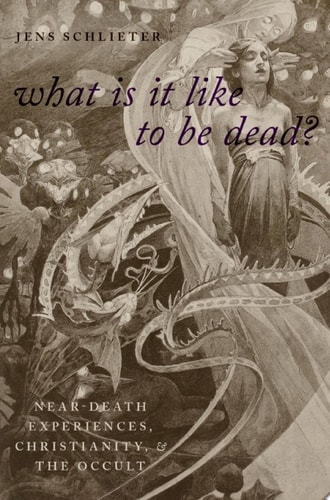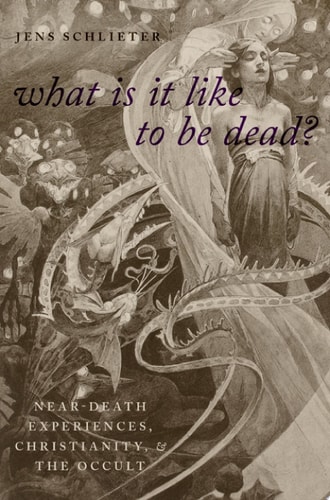
What Is It Like To Be Dead?: Near-death Experiences, Christianity, And The Occult
0
0
As an Amazon Associate and affiliate partner, Menrva Books earns from qualifying purchases. Learn more
Author Description
In What Is It Like To Be Dead?, Jens Schlieter Argues That To Understand Recent Testimonies Of Near-death Experiences, We Need To Be Aware Of The History Of Innumerable Reports Of Earlier Near-death Experiences That Were Communicated And Handed Down In Scores Of Newspapers, Journals, And Books. Collections Of Such Testimonies Have Been Published For More Than 150 Years, Accompanied By Attempts To Classify And Interpret Them. Schlieter Analyzes The Religious Relevance Of Near-death Experiences -for The Experiencers Themselves, But Also For The Growing Audience Attracted By These Testimonies. Near-death Experiences Bear Ontological, Epistemic, Intersubjective, And Moral Significance, Ranging From Reassurance That Religious Experience Is Still Possible To Claims That They Initiate A New Spiritual Orientation In Life, Or Offer Evidence For The Transcultural Validity Of Afterlife Beliefs.
Menrva's Summary
THE THESIS
This book investigates how the modern understanding of near-death experiences (NDEs) is constructed through a long history of religious, occult, and medical discourse rather than being a purely objective phenomenon. Jens Schlieter, a scholar of religious studies, utilizes historical analysis to trace how NDE testimonies have been collected, classified, and interpreted over the past 150 years. He argues that these experiences function as a form of religious protest against secular materialism and modern medical definitions of death.
THE SCOPE MAP
What You Will Find
- A historical survey of NDE discourse from 1580 to 1975.
- Analysis of the influence of Theosophy, parapsychology, and early 20th-century occultism on current NDE narratives.
- An examination of how NDEs are used to validate afterlife beliefs and provide moral orientation.
Scope Limits
- The book does not attempt to prove or disprove the biological or metaphysical reality of the afterlife.
- It focuses primarily on Western cultural and religious contexts rather than providing a global cross-cultural study.
THE AUTHORITY PERSPECTIVE
Scholars in the field of religious studies recognize this work as a rigorous historical critique of the NDE phenomenon. Readers frequently note the academic density of the prose, which serves as a foundational text for those interested in the intersection of modern spirituality and historical discourse.
Page Count:
0
Publication Date:
1900-01-01
Publisher:
Oxford University Press,
ISBN-10:
0190888873
ISBN-13:
9780190888879
Religion
Philosophy
Sociology of Religion
History of religion
Death & dying
Parapsychology
Community Tags
Similar Books