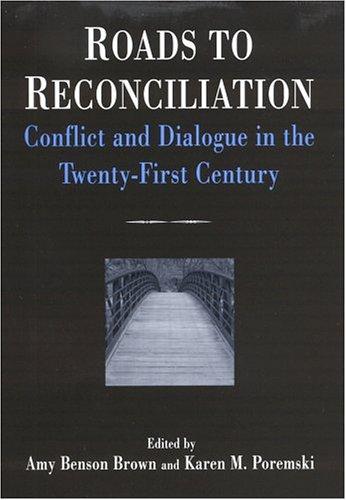
Roads to Reconciliation
0
0
As an Amazon Associate and affiliate partner, Menrva Books earns from qualifying purchases. Learn more
Author Description
The twin presence of South African archbishop Desmond Tutu and former U.S. president Jimmy Carter on the campus of Emory University in Atlanta prompted the university to sponsor a year-long symposium on the theme of reconciliation. Members of the community from many fields joined together with colleagues from Harvard and the University of Chicago to explore the roots of conflict and the meaning of reconciliation. Inspired by Tutu's teaching on reconciliation in South Africa and the Carter Center's efforts fostering conflict resolution, they began to ask questions about barriers to many kinds of reconciliation. The came September 11, 2001. After the attacks, the participants' explorations of the possibilities and limits of reconciliation were briefly put aside. But within a short while it became clear that the time was ripe for serious conversation about the roots of conflict and the long and complicated process of reconciliation. This collection seeks to chronicle the dynamics of the process of reconciliation as conceived in different fields, from religion to biology and psychology. It speaks to the issues in light of September 11, and with full awareness that all too many more acts of violence have taken place since that day.--Jacket.
Menrva's Summary
THE THESIS
This collection investigates the multifaceted nature of reconciliation across various disciplines in the wake of global conflict. The book emerges from a year-long symposium at Emory University, inspired by Archbishop Desmond Tutu and the Carter Center's work, which brought together scholars from diverse fields to explore the roots of conflict and the meaning of reconciliation. Following the events of September 11, 2001, the participants refocused their discussions on the urgent need for understanding and addressing reconciliation in a world marked by ongoing violence. The essays examine reconciliation through lenses ranging from religion to biology and psychology, offering insights relevant to contemporary acts of violence.
THE SCOPE MAP
- Exploration of reconciliation dynamics across different academic fields.
- Insights into the roots of conflict and the process of resolution.
- Consideration of reconciliation in light of post-September 11th global events.
- Interdisciplinary perspectives from religion, biology, and psychology.
- Analysis of barriers to various forms of reconciliation.
- The role of prominent figures like Desmond Tutu and Jimmy Carter in inspiring the discourse.
THE AUTHORITY PERSPECTIVE
This collection offers a timely and interdisciplinary examination of reconciliation, drawing on the expertise of scholars from leading universities. The essays are particularly relevant in their engagement with the complexities of conflict and resolution in the context of global events like September 11, 2001. The book's strength lies in its broad scope, bridging theological, biological, and psychological perspectives to understand the challenges and possibilities of reconciliation. It provides a thoughtful contribution to ongoing discussions about peace and understanding in a fractured world.
Page Count:
279
Publication Date:
2004-01-01
ISBN-10:
0765613336
ISBN-13:
9780765613332
Non-Fiction
Religion
Psychology
Sociology
Conflict Resolution
Current Events
Community Tags
Similar Books