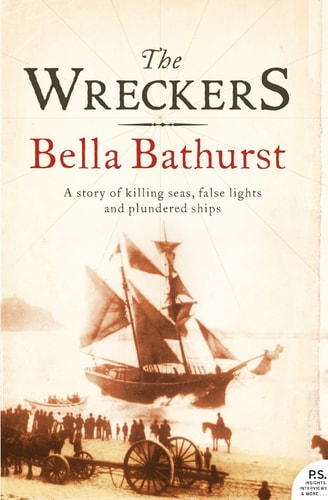
The Wreckers: A Story of Killing Seas, False Lights and Plundered Ships
0
0
As an Amazon Associate and affiliate partner, Menrva Books earns from qualifying purchases. Learn more
Author Description
From the bestselling author of 'The Lighthouse Stevensons', a gripping history of the drama and danger of wrecking since the 18th-century - and the often grisly ingenuity of British wreckers, scavengers of the sea.A fine wreck has always represented sport, pleasure, treasure, and in many cases, the difference between living well and just getting by. The Cornish were supposedly so ferocious that notices of shipwrecks were given out during morning service by the minister, whilst the congregation concocted elaborate theological justifications for drowning the survivors. Treeless islanders relied on the harvest of storms to furnish themselves with rafters, boat hulls, fence-posts and floors. In other places, false lights were set up with grisly ingenuity along the coast to lure boats to destruction.With romance, insight and dry wit, Bella Bathurst traces the history of wrecking, looting and salvaging in the British Isles since the 18th-century and leading up to the present day. 'For a fully laden general cargo to run to ground in an accessible position is more or less like having Selfridges crash-land in your back garden, ' she writes. 'A Selfridges with the prices removed'. Far from being a black-and-white crime, wrecking is often seen as opaque by its practitioners - the divisions between theft and recovery are small. No successful legal prosecution has ever been brought; the RNLI was founded by wreckers - even today lifeboat crews maintain the right to claim salvage.In settings ranging from the eerily perambulatory Goodwin Sands to the wreck-strewn waters off the coast of Durham, these murky tales of resourcefulness and quick-witted opportunism open a beguiling vista of life at the rough edges of our land and legality.
Menrva's Summary
THE THESIS
This work investigates the historical practice of wrecking along the British coastline, questioning the moral and legal boundaries between criminal looting and legitimate salvage. Bella Bathurst, an established chronicler of maritime history, utilizes a blend of archival research, local folklore, and on-site investigation to examine how coastal communities viewed shipwrecks as essential economic windfalls. The narrative framework challenges the simplistic view of wreckers as mere villains, instead presenting them as pragmatic survivors operating within a complex, often ambiguous legal and social landscape.
THE SCOPE MAP
What You Will Find
- Historical analysis of wrecking practices in the British Isles from the 18th century to the present.
- Examination of the cultural and theological justifications used by coastal communities to rationalize the looting of ships.
- Case studies of specific geographic locations, including the Goodwin Sands and the Durham coast.
- Exploration of the intersection between early salvage efforts and the formation of the Royal National Lifeboat Institution.
THE AUTHORITY PERSPECTIVE
The text provides a meticulously researched and nuanced examination of a historically misunderstood maritime practice. Its focus on the intersection of economic necessity and moral ambiguity offers a compelling perspective on the social history of the British coastline.
Page Count:
320
Publication Date:
2006-03-06
Publisher:
Harper Perennial
ISBN-10:
0007170335
ISBN-13:
9780007170333
History
True Crime
Military
Transportation
Social History
Naval
Great Britain
Europe
Maritime history
Ships
British History
Community Tags
Similar Books