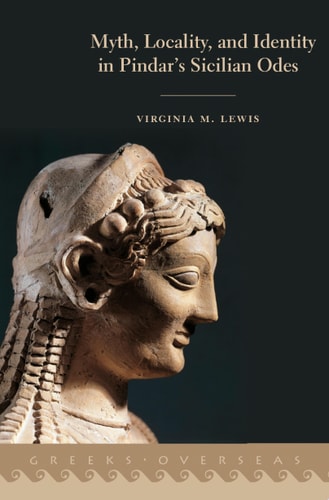
Myth, Locality, And Identity In Pindar's Sicilian Odes
0
0
As an Amazon Associate and affiliate partner, Menrva Books earns from qualifying purchases. Learn more
Author Description
Myth, Locality, And Identity Argues That Pindar Engages In A Striking, Innovative Style Of Mythmaking That Represents And Shapes Sicilian Identities In His Epinician Odes For Sicilian Victors In The Fifth Century Bce. While Sicily Has Been Thought To Be Lacking In Local Traditions For Pindar To Celebrate, Lewis Argues That The Sicilian Odes Offer Examples Of The Formation Of Local Traditions: The Monster Typho Whom Zeus Defeated To Become King Of The Gods, For Example, Now Lives Beneath Mt. Aitna; Persephone Receives The Island Of Sicily As A Gift From Zeus; And The Peloponnesian River Alpheos Travels To Syracuse In Pursuit Of The Local Spring Nymph Arethusa. By Weaving Regional And Panhellenic Myth Into The Local Landscape, As The Book Shows, Pindar Infuses Physical Places With Meaning And Thereby Contextualizes People, Cities, And Their Rulers Within A Wider Greek Framework. During This Time Period, Greek Sicily Experienced A Unique Set Of Political Circumstances: The Inhabitants Were Continuously Being Displaced, Cities Were Founded And Resettled, And Political Leaders Rose And Fell From Power In Rapid Succession. This Book Offers The First Sustained Analysis Of Myth In Pindar's Odes For Sicilian Victors Across The Island That Accounts For Their Shared Context. The Nodes Of Myth And Place That Pindar Fuses In This Poetry Reinforce And Develop A Sense Of Place And Community For Citizens Locally; At The Same Time, They Raise The Profile Of Physical Sites And The Cities Attached To Them For Larger Audiences Across The Greek World. In Addition To Providing New Readings Of Pindaric Odes And Offering A Model For The Formation Of Sicilian Identities In The First Half Of The Fifth Century, The Book Contributes New Insights Into Current Debates On The Relationship Between Myth And Place In Classical Literature.
Menrva's Summary
THE THESIS
This work investigates how the poet Pindar utilized innovative mythmaking to construct and solidify Sicilian civic identities during the volatile political landscape of the fifth century BCE. Virginia M. Lewis, a scholar of classical literature, examines how Pindar integrated regional myths into the physical geography of Sicily to anchor the island's cities and rulers within the broader Greek world. By analyzing the Epinician odes, the author argues that these poems functioned as a mechanism for creating local tradition in a region characterized by frequent displacement and political instability.
THE SCOPE MAP
What You Will Find
- Analysis of Pindaric odes dedicated to Sicilian victors.
- Examination of the intersection between myth, geography, and civic identity.
- Case studies on specific myths, including the figures of Typho, Persephone, and the nymph Arethusa.
- Exploration of the political context of fifth-century BCE Sicily.
Scope Limits
- The analysis is restricted to Pindar's Sicilian odes and does not provide a comprehensive survey of all Pindaric poetry.
- The study focuses primarily on the first half of the fifth century BCE.
THE AUTHORITY PERSPECTIVE
Scholars recognize this text as a significant contribution to the study of Pindaric poetry and the cultural history of ancient Sicily. Readers frequently note the academic rigor of the analysis and its utility for those interested in the relationship between classical literature and regional identity formation.
Page Count:
0
Publication Date:
1900-01-01
Publisher:
Oxford University Press,
ISBN-10:
0190910348
ISBN-13:
9780190910341
Poetry
Civilisation
Literary Criticism
Odes Greek
Pindar
Odes
Greek
Ancient History
Community Tags
Similar Books