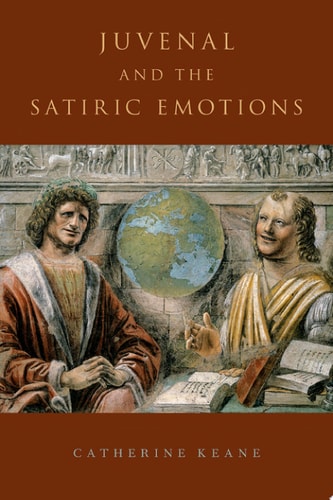
Juvenal and the Satiric Emotions
0
0
As an Amazon Associate and affiliate partner, Menrva Books earns from qualifying purchases. Learn more
Author Description
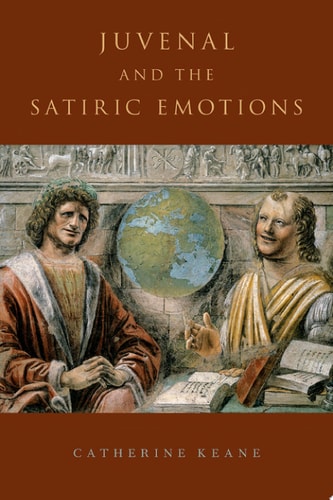
In his sixteen verse Satires, Juvenal explores the emotional provocations and pleasures associated with social criticism and mockery. He makes use of traditional generic elements such as the first-person speaker, moral diatribe, narrative, and literary allusion to create this new satiric preoccupation and theme. Juvenal defines the satirist figure as an emotional agent who dramatizes his own response to human vices and faults, and he in turn aims to engage other people's feelings. Over the course of his career, he adopts a series of rhetorical personae that represent a spectrum of satiric emotions, encouraging his audience to ponder satire's proper emotional mode and function. Juvenal first offers his signature indignatio with its associated pleasures and discomforts, then tries on subtler personae that suggest dry detachment, callous amusement, anxiety, and other affective states.As Keane shows, the satiric emotions are not only found in the author's rhetorical performances, but they are also a major part of the human farrago that the Satires purport to treat. Juvenal's poems explore the dynamic operation of emotions in society, drawing on diverse ancient literary, rhetorical, and philosophical sources. Each poem uniquely engages with different texts and ideas to reveal the unsettling powers of its emotional mode. Keane also analyzes the "emotional plot" of each book of Satires and the structural logic of the entire series with its wide range of subjects and settings. From his famous angry tirades to his more puzzling later meditations, Juvenal demonstrates an enduring interest in the relationship between feelings and moral judgment.
Menrva's Summary
THE THESIS
This book investigates how the Roman poet Juvenal utilizes emotional states as a primary rhetorical tool and moral framework within his sixteen Satires. Catherine Keane, a scholar of classical literature, examines how Juvenal constructs the satirist as an emotional agent who navigates the complexities of human vice through specific affective modes. By analyzing the poet's shifting personae, Keane argues that these emotional expressions are central to the structural and thematic logic of the entire collection.
THE SCOPE MAP
What You Will Find
- Analysis of Juvenal's sixteen Satires and their evolving rhetorical personae
- Examination of the relationship between emotional expression and moral judgment in Roman society
- Exploration of ancient literary, rhetorical, and philosophical influences on Juvenal's work
- Structural analysis of the "emotional plot" across the books of Satires
Scope Limits
- The study focuses primarily on the emotional dimensions of the text rather than a comprehensive historical biography of Juvenal
- It does not provide a general introduction to Roman satire for those unfamiliar with the genre
THE AUTHORITY PERSPECTIVE
Scholars and classicists recognize this work as a significant contribution to the study of Roman satire, particularly for its focus on the intersection of affect and rhetoric. Readers frequently note the academic density of the prose, which is intended for an audience already familiar with classical texts and literary theory.
Page Count:
264
Publication Date:
2015-01-01
Publisher:
Oxford University Press
ISBN-10:
019026697X
ISBN-13:
9780190266974
History
Philosophy
Satire
Juvenal
Ancient History
Literary Criticism