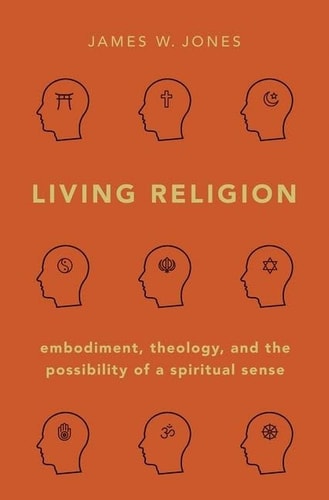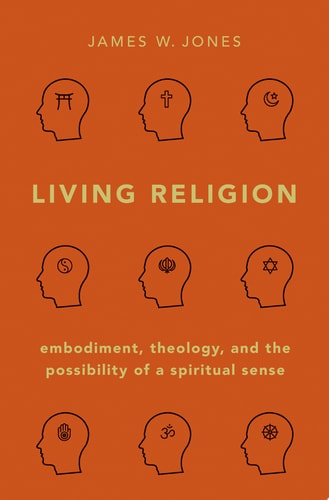
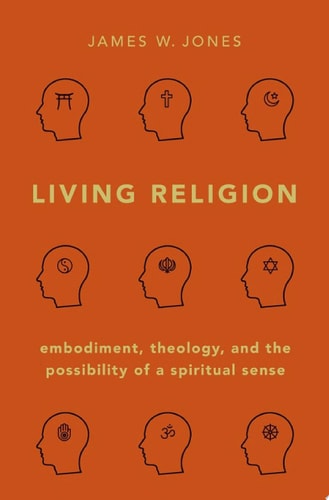
Living Religion
0
0
As an Amazon Associate and affiliate partner, Menrva Books earns from qualifying purchases. Learn more
Author Description
Is It Reasonable To Live A Religiously Oriented Life, Or Is Such A Life The Height Of Irrationality? Has Neuroscience Shown That Religious Experiences Are Akin To Delusions, Or Might Neuroscience Actually Support The Validity Of Such Experiences? In Living Religion James W. Jones Offers A New Approach To Understanding Religion After The Decade Of The Brain. The Modern Tendency To Separate Theory From Practice Gives Rise To A Number Of Dilemmas For Those Who Think Seriously About Religion. Claims About God, The World, And The Nature And Destiny Of The Human Spirit Have Been Ripped From Their Context In Religious Practice And Treated As Doctrinal Abstractions To Be Justified Or Refuted In Isolation From The Living Religious Life That Is Their Natural Home. Jones Argues That Trends In Contemporary Psychology, Especially An Emphasis On Embodiment And Relationality, Can Help The Thoughtful Religious Person Return Theory To Practice, Thereby Opening Up New Avenues Of Religious Knowing And New Ways Of Supporting The Commitment To A Religiously Lived Life. This Embodied-relational Model Offers New Ways Of Understanding Our Capacity To Transform And Transcend Our Ordinary Awareness And Shows That It Can Be Meaningful And Reasonable To Speak Of A Spiritual Sense. The Brain's Complexity, Integration, And Openness, And The Many Ways Embodiment Influences Our Understanding Of Ourselves And The World, All Significantly Impact Our Thinking About Religious Understanding. When Linked To Contemporary Neuroscientific Theories, The Long-standing Tradition Of A Spiritual Sense Is Brought Up To Date And Deployed In Support Of The Argument Of This Book That Reason Is On The Side Of Those Who Choose A Religiously Lived Life.
Menrva's Summary
THE THESIS
This book investigates whether a religiously oriented life remains a rational pursuit in the context of modern neuroscientific discoveries. James W. Jones, a scholar in the psychology of religion, utilizes contemporary research on embodiment and relationality to bridge the gap between religious practice and doctrinal theory. He argues that human cognitive complexity and the biological nature of the brain do not invalidate spiritual experience but rather provide a framework for understanding it as a meaningful, grounded aspect of human existence.
THE SCOPE MAP
What You Will Find
- An analysis of the intersection between neuroscientific theories and religious experience
- An embodied-relational model for understanding spiritual practice
- A critique of the modern tendency to isolate religious doctrine from lived experience
Scope Limits
- The text does not provide a comprehensive history of theology or religious institutions
- It does not offer a clinical guide for psychological treatment or therapy
THE AUTHORITY PERSPECTIVE
Scholars and readers often note that the text provides a bridge between academic psychology and theological inquiry, making it accessible to those interested in the cognitive basis of faith. Experts highlight this as a thoughtful contribution to the dialogue between science and religion, particularly for its focus on the physical reality of spiritual practice.
Page Count:
208
Publication Date:
2019-01-01
Publisher:
Oxford University Press
ISBN-10:
0190927399
ISBN-13:
9780190927394
Psychology
Spirituality
Religion
Neuroscience
Philosophy of
Community Tags
Other Editions(2)
Similar Books