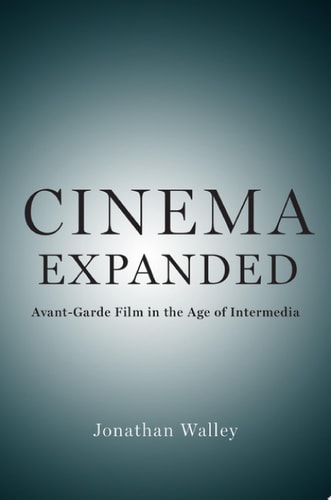
Cinema Expanded: Avant-Garde Film in the Age of Intermedia
0
0
As an Amazon Associate and affiliate partner, Menrva Books earns from qualifying purchases. Learn more
Author Description
Expanded cinema: avant-garde moving image works that claim new territory for the cinematic, beyond the bounds of familiar filmmaking practices and the traditional theatrical exhibition space. First emerging in the 1960s amidst seismic shifts in the arts, multi-screen films, live cinematic performance, light art, kinetic art, video, and computer-generated imagery - all placed under expanded cinema's umbrella - re-emerged at the dawn of the 2000s, opening a vast new horizon of possibility for the moving image, and perhaps even heralding the end of cinema as we know it.Cinema Expanded: Avant-Garde Film in the Age of Intermedia offers a bold new account of its subject, breaking from previous studies and from larger trends in film and art scholarship. Author Jonathan Walley argues that expanded cinema's apparent departure from the traditions and forms of cinema as we know it actually radically asserts cinema's nature and artistic autonomy. Walley also resituates expanded cinema within the context of avant-garde film history, linking it to a mode of filmmaking that has historically investigated and challenged the nature and limits of cinematic form. As an outgrowth of this tradition, expanded cinema offered a means for filmmakers within the avant-garde, regardless of their differing styles, formal concerns, and politics, to stake out cinema's unique aesthetic terrain - its ontology, its independence, its identity.In addition to reconsidering the better-known expanded cinema works of the 1960s and 70s by artists like Andy Warhol, Robert Whitman, and Nam June Paik, Cinema Expanded also provides the first scholarly accounts of scores of lesser-known works across more than 50 years. Making new arguments about avant-garde cinema in general and its complex meditations on the nature of cinema, it urgently addresses current and crucial debates about the fate of the moving image amidst a digital age of near-constant technological change.
Menrva's Summary
THE THESIS
This book investigates the core question of how expanded cinema—works that move beyond traditional theatrical exhibition—functions not as a departure from film, but as a radical assertion of cinema's unique ontological nature. Jonathan Walley, a scholar in film and media studies, utilizes a historical framework to connect the avant-garde experiments of the 1960s with contemporary digital-age practices. He argues that by challenging the physical and formal limits of the medium, these artists have consistently defined and defended the autonomy of cinema throughout its evolution.
THE SCOPE MAP
What You Will Find
- Historical analysis of avant-garde movements from the 1960s to the 2000s.
- Examination of multi-screen films, live performance, light art, and computer-generated imagery.
- Scholarly documentation of both canonical artists like Nam June Paik and lesser-known figures in the field.
Scope Limits
- The text focuses primarily on the ontological and formalist aspects of the medium rather than a comprehensive sociological history of the art scene.
- It does not provide a technical manual for the production of expanded cinema works.
THE AUTHORITY PERSPECTIVE
Experts recognize this work as a significant contribution to film theory that successfully bridges the gap between traditional avant-garde history and contemporary media studies. Readers frequently note the academic density of the prose, which is intended for scholars and students of film history.
Page Count:
572
Publication Date:
2020-07-01
Publisher:
Oxford University Press
ISBN-10:
0190938633
ISBN-13:
9780190938635
Intermediality
Cinema Theory
Avant-garde
Film Studies
Art History
Media Studies
New media art
Community Tags
Similar Books