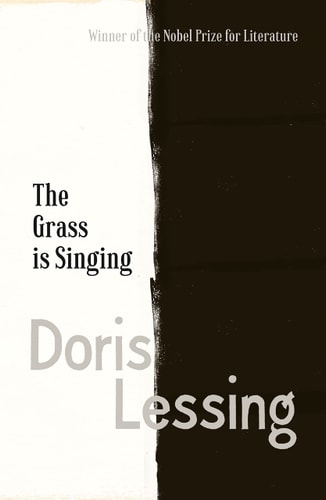
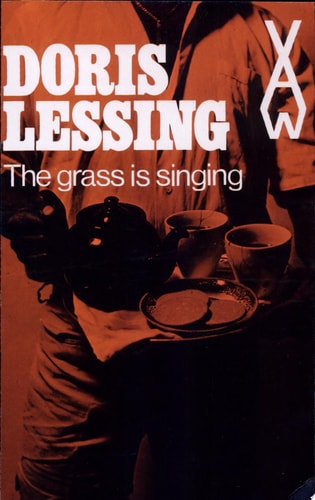
The Grass Is Singing
0
0
As an Amazon Associate and affiliate partner, Menrva Books earns from qualifying purchases. Learn more
Author Description
The Nobel Prize-winner Doris Lessing's first novel is a taut and tragic portrayal of a crumbling marriage, set in Rhodesia. 'The Grass is Singing' tells the story of Dick Turner, a failed white farmer and his wife, Mary, a town girl who hates the bush and viciously abuses the black South Africans who work on their farm. But after many years, trapped by poverty, sapped by the heat of their tiny house, the lonely and frightened Mary turns to Moses, the black cook, for kindness and understanding. 'The Grass is Singing' is a superb evocation of Africa's majestic beauty, an intense psychological portrait of lives in confusion and, most of all, a fearless exploration of the ideology of white supremacy.
Menrva's Summary
THE PULSE
The Grass Is Singing centers on the psychological disintegration of Mary Turner, a woman trapped in a failing marriage and a hostile environment in colonial Rhodesia. Mary, a former city dweller, finds herself isolated on a struggling farm where her deep-seated prejudices and fear of the bush collide with the harsh realities of her existence. As her mental state deteriorates under the pressure of poverty and the oppressive heat, she forms a complex, fraught connection with Moses, a black farm worker. The narrative, presented with a stark, unflinching focus, examines the intersection of personal neurosis and the rigid racial hierarchies of the time.
INSIDE THE PAGES
- Third-person limited perspective focusing on Mary Turner's internal decline
- Atmospheric depiction of the Rhodesian bush as a character in its own right
- Exploration of the psychological toll of colonial social structures
- Non-linear narrative structure that begins with the aftermath of the central tragedy
- Detailed character study of a marriage defined by failure and mutual resentment
- Examination of the intersection between racial ideology and personal identity
- Taut, economical prose style characteristic of early mid-century realism
- Focus on the claustrophobia of domestic life in a remote setting
THE COLLECTIVE ECHO
This novel is widely regarded as a significant entry in the canon of post-colonial literature, noted for its unflinching examination of the psychological mechanisms of racism. Critics frequently highlight the author's ability to render the physical environment of the African bush as a palpable, suffocating force that mirrors the protagonist's internal instability. The work is often studied for its early, critical engagement with the social and political tensions of the era, moving beyond simple character study into a broader critique of colonial society. Readers and scholars alike point to the book's stark, unsentimental tone as a defining feature that maintains its relevance in contemporary discussions of power and prejudice.
Page Count:
0
Publication Date:
1950-01-01
Publisher:
Fourth Estate
ISBN-10:
0007498802
ISBN-13:
9780007498802
Literary Fiction
Social Issues
Post-Colonial
Psychological
Africa fiction
Historical
Community Tags
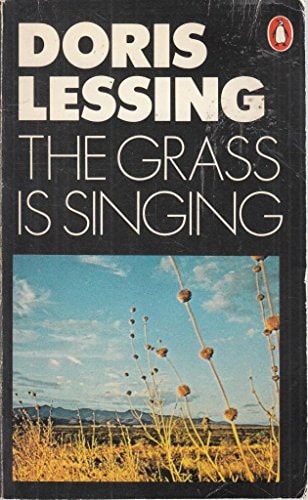
Other Editions(5)


Similar Books