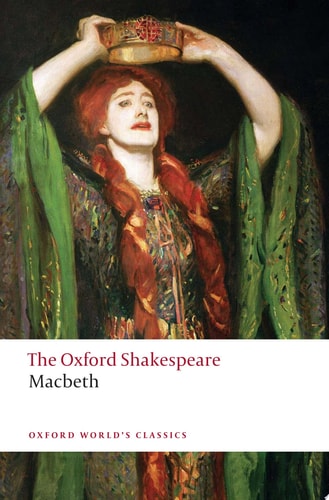
The Tragedy of Macbeth: The Oxford Shakespeare
0
0
As an Amazon Associate and affiliate partner, Menrva Books earns from qualifying purchases. Learn more
Author Description
Dark and violent, Macbeth is also the most theatrically spectacular of Shakespeare's tragedies. Indeed, for 250 years - until early this century - it was performed with grand operatic additions set to baroque music. In his introduction Nicholas Brooke relates the play's changing fortunes to changes within society and the theatre and investigates the sources of its enduring appeal. He examines its many layers of illusion and interprets its linguistic turns and echoes, arguing that the earliest surviving text is an adaptation, perhaps carried out by Shakespeare himself in collaboration with Thomas Middleton. This fully annotated edition reconsiders textual and staging problems, appraises past and present critical views, and represents a major contribution to our understanding of Macbeth. ABOUT THE SERIES: For over 100 years Oxford World's Classics has made available the widest range of literature from around the globe. Each affordable volume reflects Oxford's commitment to scholarship, providing the most accurate text plus a wealth of other valuable features, including expert introductions by leading authorities, helpful notes to clarify the text, up-to-date bibliographies for further study, and much more.
Menrva's Summary
THE PULSE
A Scottish general receives a prophecy from three witches that he will become King of Scotland, triggering a descent into ambition, violence, and psychological ruin. Macbeth, spurred by his wife and his own desire for power, murders the reigning king to seize the throne. He subsequently faces the consequences of his betrayal as he descends into paranoia and tyranny, while his opponents organize to restore order to the kingdom. The narrative unfolds through dramatic dialogue and soliloquies, presenting a world governed by fate, moral corruption, and the physical manifestation of guilt.
INSIDE THE PAGES
- Use of supernatural elements to drive the plot
- Exploration of the psychological impact of regicide
- Frequent use of soliloquies to reveal internal conflict
- Themes of ambition and the corruption of power
- Vivid imagery depicting blood and darkness
- Structural focus on the rapid decline of the protagonist
- Inclusion of historical and textual annotations
- Analysis of the play's performance history and staging
THE COLLECTIVE ECHO
Discussion often centers on the play's relentless pacing and the intense psychological transformation of the central characters. Readers frequently highlight the effectiveness of the atmospheric setting and the stark contrast between the protagonist's initial nobility and his eventual moral collapse. Critics often examine the linguistic complexity and the recurring motifs of illusion that permeate the text. The work remains a subject of significant academic interest regarding its textual origins and the collaborative nature of its composition. Many readers find the exploration of guilt and the consequences of unchecked ambition to be the most compelling aspects of the narrative.
Page Count:
272
Publication Date:
2008-01-01
Publisher:
OUP Oxford
ISBN-10:
0191009741
ISBN-13:
9780191009747
Drama
Theatre
Humanities
Plays
Special Topics
Tragedy
Classic Literature
Renaissance
Community Tags
Similar Books