Author Description
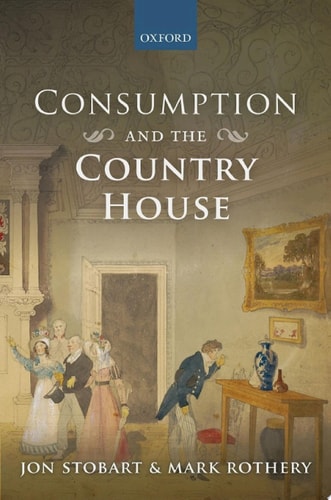
This study explores the consumption practices of the landed aristocracy of Georgian England. Focussing on three families and drawing on detailed analysis of account books, receipted bills, household inventories, diaries and correspondence, Consumption and the Country House charts the spending patterns of this elite group during the so-called consumer revolution of the eighteenth century. Generally examined through the lens of middling families, homes and motivations, this book explores the ways in which the aristocracy were engaged in this wider transformation of English society. Analysis centres on the goods that the aristocracy purchased, both luxurious and mundane; the extent to which they pursued fashionable modes and goods; the role that family and friends played in shaping notions of taste; the influence of gender on taste and refinement; the geographical reach of provisioning and the networks that lay behind this consumer activity, and the way this all contributed to the construction of the country house. The country house thus emerges as much more than a repository of luxury and splendour; it lay at the heart of complex networks of exchange, sociability, demand, and supply. Exploring these processes and relationships serves to reanimate the country house, making it an active site of consumption rather than simply an expression of power and taste, and drawing it into the mainstream of consumption histories. At the same time, the landed aristocracy are shown to be rounded consumers, driven by values of thrift and restraint as much as extravagant desires, and valuing the old as well as the new, not least as markers of their pedigree and heritance.
Menrva's Summary
THE THESIS
This study investigates the consumption habits of the Georgian-era landed aristocracy to determine their role in the eighteenth-century consumer revolution. Authors Jon Stobart and Mark Rothery utilize archival evidence from three specific aristocratic families to challenge the assumption that the consumer revolution was driven solely by the middling classes. By analyzing account books, inventories, and personal correspondence, the authors argue that the country house functioned as a dynamic hub of economic exchange and social negotiation rather than a static display of wealth.
THE SCOPE MAP
What You Will Find
- Analysis of spending patterns on both luxury and mundane household goods
- Examination of the influence of gender, family networks, and social status on consumer taste
- Investigation into the geographical logistics of provisioning and supply chains
- Discussion of the tension between thrift and extravagance in aristocratic life
Scope Limits
- The study is limited to three specific families and does not provide a comprehensive survey of all aristocratic households in England.
- The research focuses primarily on the eighteenth century and does not extend into the Victorian era.
THE AUTHORITY PERSPECTIVE
Scholars in the field of material culture and economic history recognize this work as a significant contribution to the study of the Georgian country house. Readers frequently note the meticulous use of primary source data to reframe the aristocracy as active participants in the broader consumer history of the period.
Page Count:
316
Publication Date:
2016-01-01
Publisher:
OUP Oxford
ISBN-10:
0191039705
ISBN-13:
9780191039706
History
European History
Social History
Country Homes
British History
Georgian Era
Economic History
Community Tags
Similar Books