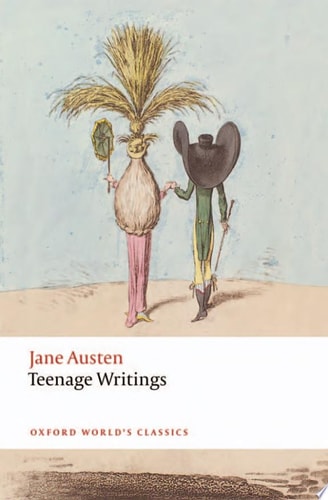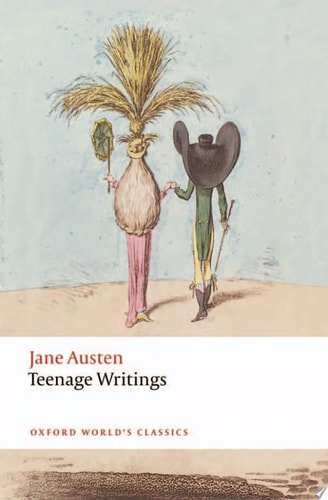
Teenage Writings
0
0
As an Amazon Associate and affiliate partner, Menrva Books earns from qualifying purchases. Learn more
Author Description
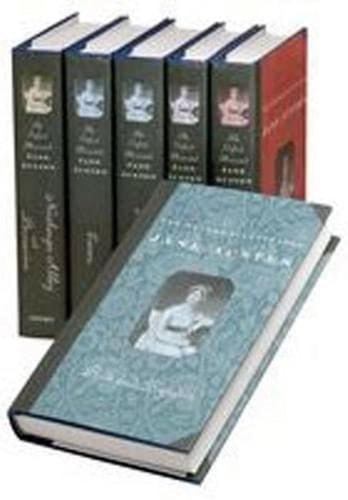
Jane Austen Practising' Virginia Woolf Three Notebooks Of Jane Austen's Teenage Writings Survive. The Earliest Pieces Probably Date From 1786 Or 1787, Around The Time That Jane, Aged 11 Or 12, And Her Older Sister And Collaborator Cassandra Left School. By This Point Austen Was Already An Indiscriminate And Precocious Reader, Devouring Pulp Fiction And Classic Literature Alike; What She Read, She Soon Began To Imitate And Parody. Unlike Many Teenage Writings Then And Now, These Are Not Secret Or Agonized Confessions Entrusted To A Private Journal And For The Writer's Eyes Alone. Rather, They Are Stories To Be Shared And Admired By A Named Audience Of Family And Friends. Devices And Themes Which Appear Subtly In Austen's Later Fiction Run Riot Openly And Exuberantly Across The Teenage Page. Drunkenness, Brawling, Sexual Misdemeanour, Theft, And Even Murder Prevail.
Menrva's Summary
THE PULSE
These early works capture the nascent wit and satirical instincts of a young Jane Austen as she experiments with the literary conventions of her time. Austen crafts these narratives to entertain a specific audience of family and friends, moving away from private confession toward public performance. The stories operate within the framework of parody, where the author adopts and subverts the tropes of the popular fiction she consumed as a child. The physical constraints of the notebook format emphasize the collaborative and domestic nature of these early creative efforts.
INSIDE THE PAGES
- Parody of contemporary 18th-century literary tropes
- Episodic narrative structures
- Satirical treatment of social norms and morality
- Use of irony as a primary stylistic device
- Themes of domestic chaos and social impropriety
- Direct address to a known audience of family members
- Exuberant and uninhibited prose style
- Early evidence of character-driven humor
THE COLLECTIVE ECHO
Readers and critics often view these notebooks as a window into the formative development of one of literature's most celebrated voices. Discussion frequently centers on the stark contrast between the chaotic, often violent content of these stories and the refined social comedies Austen produced in her later years. Scholars highlight the precocious nature of her mimicry, noting how she effectively dismantled the sentimental fiction popular during her youth. The collection is valued for its raw energy and the clear evidence it provides of a writer testing the boundaries of genre and form. Many find the irreverent tone of these pieces to be a surprising and refreshing departure from the more restrained atmosphere of her mature novels.
Page Count:
416
Publication Date:
2017-01-01
Publisher:
Oxford University Press
ISBN-10:
0191057185
ISBN-13:
9780191057182
Humor
Satire
Short Stories
Historical
Classic Literature
Juvenilia