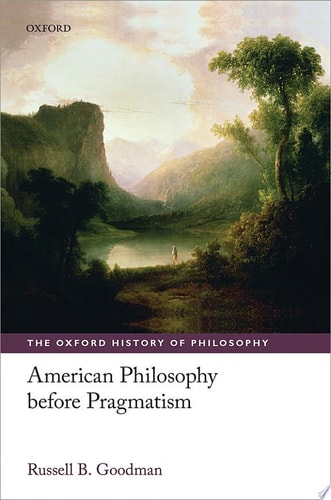
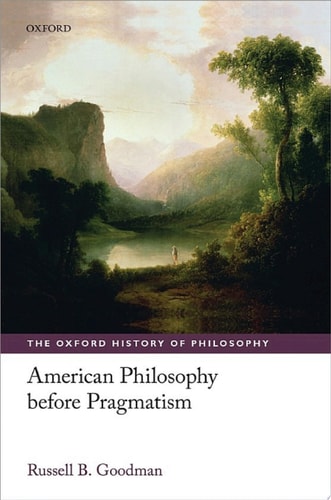
American Philosophy Before Pragmatism
0
0
As an Amazon Associate and affiliate partner, Menrva Books earns from qualifying purchases. Learn more
Author Description
Russell B. Goodman Tells The Story Of The Development Of Philosophy In America From The Mid-18th Century To The Late 19th Century. The Key Figures In This Story, Jonathan Edwards, Benjamin Franklin, Thomas Jefferson, The Writers Of The Federalist, And The Romantics (or 'transcendentalists') Emerson And Thoreau, Were Not Professors But Men Of The World, Whose Deep Formative Influence On American Thought Brought Philosophy Together With Religion, Politics, And Literature. Goodman Considers Their Work In Relation To The Philosophers And Other Thinkers They Found Important: The Deism Of John Toland And Matthew Tindal, The Moral Sense Theories Of Francis Hutcheson, Adam Smith, And David Hume, The Political And Religious Philosophy Of John Locke, The Romanticism Of William Wordsworth And Samuel Taylor Coleridge, And The Transcendental Idealism Of Immanuel Kant. Goodman Discusses Edwards's Condemnation And Franklin's Acceptance Of Deism, Argues That Jefferson Was An Epicurean In His Metaphysical Views And A Christian, Stoic, And Epicurean In His Moral Outlook, Traces Emerson's Debts To Writers From Madame De Staël To William Ellery Channing, And Considers Thoreau's Orientation To The Universe Through Sitting And Walking. The Morality Of American Slavery Is A Major Theme In American Philosophy Before Pragmatism, Introduced Not To Excuse Or Condemn, But To Study How Five Formidably Intelligent People Thought About The Question When It Was—as It No Longer Is For Us—open. Edwards, Franklin And Jefferson Owned Slaves, Though Franklin And Jefferson Played Important Roles In Disturbing The Uneasy American Moral Equilibrium That Included Slavery, Even As They Approved An American Constitution That Included It. Emerson And Thoreau Were Prominent Public Opponents Of Slavery In The Eighteen Forties And Fifties. The Book Contains An Interlude On The Concept Of A Republic And Concludes With An Epilogue Documenting Some Continuities In American Philosophy, Particularly Between Emerson A
Menrva's Summary
THE THESIS
This book investigates the evolution of American philosophical thought from the mid-18th century to the late 19th century, specifically examining how pre-pragmatist thinkers integrated philosophy with religion, politics, and literature. Russell B. Goodman, a scholar of American philosophy, utilizes historical analysis to trace the intellectual lineage of figures like Jonathan Edwards, Benjamin Franklin, Thomas Jefferson, Ralph Waldo Emerson, and Henry David Thoreau. By situating these thinkers within their broader transatlantic context, Goodman argues that their work was deeply influenced by European Enlightenment, Deist, and Romantic traditions while simultaneously grappling with the unique moral and political challenges of the American experience.
THE SCOPE MAP
What You Will Find
- Analysis of the intellectual development of five key American thinkers.
- Examination of the influence of European philosophers including John Locke, David Hume, and Immanuel Kant.
- Discussion of the moral and political implications of slavery within the writings of the American founders and transcendentalists.
- An interlude on the conceptual evolution of the American Republic.
Scope Limits
- The text concludes before the full emergence of the Pragmatist movement.
- It does not provide a comprehensive survey of all American thinkers of the period, focusing instead on specific influential figures.
THE AUTHORITY PERSPECTIVE
Scholars and students of American intellectual history frequently cite this work for its ability to bridge the gap between formal philosophy and the broader cultural concerns of early American life. Readers often note the clarity of Goodman's prose, which makes complex metaphysical and moral arguments accessible to those outside of specialized academic circles.
Page Count:
304
Publication Date:
2015-01-01
Publisher:
Oup Oxford
ISBN-10:
0191060127
ISBN-13:
9780191060120
Philosophy
Non-Fiction
Intellectual History
Political Philosophy
American History
Community Tags
Other Editions(3)
Similar Books

Reader Comments
Share Your Thoughts
No comments yet. Be the first to share your thoughts!