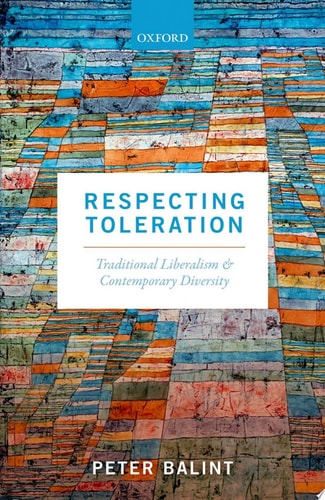
Respecting Toleration
0
0
As an Amazon Associate and affiliate partner, Menrva Books earns from qualifying purchases. Learn more
Author Description
The Question Of Toleration Matters More Than Ever. The Politics Of The Twenty-first Century Is Replete With Both The Successes And, All Too Often, The Failures Of Toleration. Yet A Growing Number Of Thinkers And Practitioners Have Argued Against Toleration. Some Believe That Liberal Democracies Are Better Served By Different Principles, Such As Respect Of, Or Recognition For, People's Ways Of Life. Others Argue That Because The Liberal State Should Be Entirely Neutral Or Indifferent Towards People's Ways Of Life, It Can No Longer Be Tolerant - It Has No Grounds On Which It Can Object, And So There Is Nothing Left To Tolerate. Respecting Toleration Provides A New, Original, And Provocative Take On The Question Of Toleration And Its Application To The Politics Of Contemporary Diversity. Peter Balint Argues For Both The Conceptual Coherence And Normative Desirability Of Toleration And Neutrality. He Argues That It Is These Principles Which Best Realise The Basic Liberal Good Of People Living Their Lives As They See Fit, Rather Than Appealing To Principles Of Recognition Or Respect For Difference. While Those Who Criticised Liberalism's Failings In Dealing With The Claims Of Diversity Had Justification, It Is The Tenets Of Traditional Liberalism That Hold The Answer. Respecting Toleration Argues That If One Cares About People Living Divergent Lives, Then It Is Liberal Toleration That Should Be Respected By Legislators And Policy Makers, And Not People's Differences.
Menrva's Summary
THE THESIS
Does the principle of toleration remain a coherent and desirable framework for managing the complexities of contemporary political diversity? Peter Balint, a scholar of political theory, investigates the modern critique of liberal toleration, which suggests that principles like recognition or respect for difference are superior alternatives. He argues that traditional liberal tenets, specifically toleration and state neutrality, provide the most effective mechanism for ensuring individuals can live their lives according to their own values.
THE SCOPE MAP
What You Will Find
- A conceptual defense of liberal neutrality in diverse societies.
- An analysis of the limitations inherent in recognition-based political models.
- A normative argument prioritizing individual autonomy over the validation of group differences.
Scope Limits
- The text does not provide a comprehensive history of toleration as a legal doctrine.
- It does not offer specific policy prescriptions for every possible cultural conflict.
THE AUTHORITY PERSPECTIVE
Scholars in political philosophy recognize this work as a rigorous defense of classical liberal values against contemporary communitarian critiques. Readers frequently note the academic density of the prose, which is intended for an audience familiar with political theory and normative ethics.
Page Count:
192
Publication Date:
2016-01-01
Publisher:
Oxford University Press
ISBN-10:
0191076228
ISBN-13:
9780191076220
Social Theory
Ethics
Liberalism
Political Philosophy
Community Tags
Other Editions(2)

Similar Books