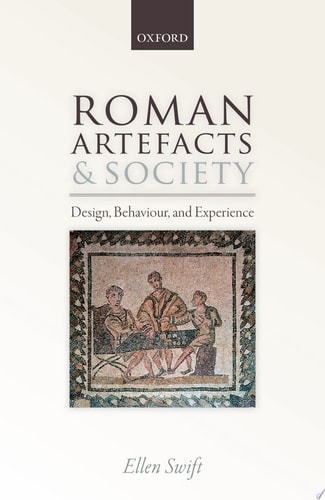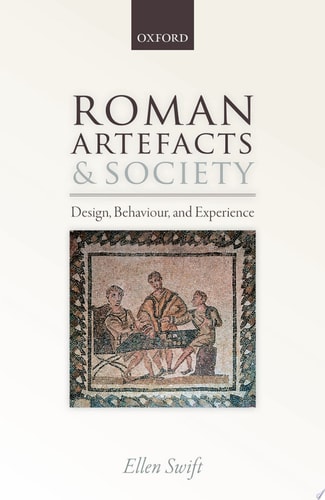
Roman Artefacts and Society
0
0
As an Amazon Associate and affiliate partner, Menrva Books earns from qualifying purchases. Learn more
Author Description
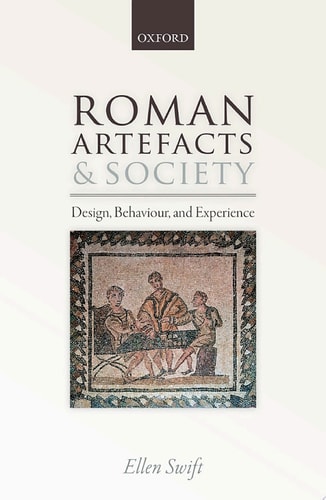
In This Book, Ellen Swift Uses Design Theory, Previously Neglected In Roman Archaeology, To Investigate Roman Artefacts In A New Way, Making A Significant Contribution To Both Roman Social History, And Our Understanding Of The Relationships That Exist Between Artefacts And People. Based On Extensive Data Collection And The Close Study Of Artefacts From Museum Collections And Archives, The Book Examines The Relationship Between Artefacts, Everyday Behaviour, And Experience. The Concept Of 'affordances'-features Of An Artefact That Make Possible, And Incline Users Towards, Particular Uses For Functional Artefacts-is An Important One For The Approach Taken. This Concept Is Carefully Evaluated By Considering Affordances In Relation To Other Sources Of Evidence, Such As Use-wear, Archaeological Context, The End-products Resulting From Artefact Use, And Experimental Reconstruction. Artefact Types Explored In The Case Studies Include Locks And Keys, Pens, Shears, Glass Vessels, Dice, Boxes, And Finger-rings, Using Material Mainly Drawn From The North-western Roman Provinces, With Some Material Also From Roman Egypt. The Book Then Considers How We Can Use Artefacts To Understand Particular Aspects Of Roman Behaviour And Experience, Including Discrepant Experiences According To Factors Such As Age, Social Position, And Left- Or Right-handedness, Which Are Fostered Through Artefact Design. The Relationship Between Production And Users Of Artefacts Is Also Explored, Investigating What Particular Production Methods Make Possible In Terms Of User Experience, And Also Examining Production Constraints That Have Unintended Consequences For Users. The Book Examines Topics Such As The Perceived Agency Of Objects, Differences In Social Practice Across The Provinces, Cultural Change And Development In Daily Practice, And The Persistence Of Tradition And Social Convention. It Shows That Design Intentions, Everyday Habits Of Use, And The Constraints Of Production Processes Each Contribut
Menrva's Summary
THE THESIS
How do the design features of Roman artefacts influence and reflect the everyday behaviors, social experiences, and cultural practices of the people who used them? Ellen Swift, an expert in Roman archaeology, utilizes design theory to bridge the gap between material remains and human experience. By analyzing the physical properties of objects alongside archaeological context and use-wear evidence, she argues that the design of functional items actively shapes social habits and individual agency within the Roman provinces.
THE SCOPE MAP
What You Will Find
- Application of the 'affordances' framework to Roman material culture.
- Comparative analysis of artefact types including locks, keys, pens, shears, glass vessels, dice, boxes, and finger-rings.
- Integration of experimental reconstruction and museum archive data.
- Examination of social variables such as age, social status, and handedness in relation to object design.
Scope Limits
- Primary focus remains on the north-western Roman provinces and Roman Egypt.
- Does not provide an exhaustive catalog of all Roman material culture.
THE AUTHORITY PERSPECTIVE
Scholars frequently cite this work for its innovative application of design theory to archaeological methodology. Readers often note the academic density of the prose, which serves as a rigorous resource for students and professionals in the field of Roman social history.
Page Count:
312
Publication Date:
2017-01-01
Publisher:
Oxford University Press
ISBN-10:
019108798X
ISBN-13:
9780191087981
History
Social History
Roman History
Archaeology
Design Theory
Community Tags
Similar Books