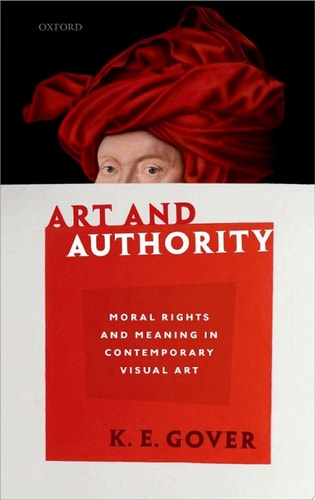
Art and Authority
0
0
As an Amazon Associate and affiliate partner, Menrva Books earns from qualifying purchases. Learn more
Author Description
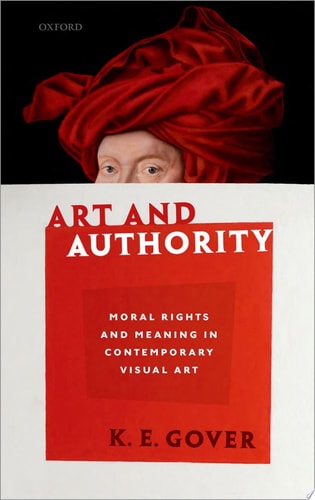
People Engage With Authored Works All The Time. They Buy Paintings, Read Books, And Download Songs. They Might Even Be Artists Themselves. And Yet They Tend To Take The Concept Of Authorship For Granted. The Basic Idea That An Artist As Author Maintains Some Kind Of Claim To His Or Her Creation, Even As It Circulates In The World At Large, Seems Natural. It Is The Basis For Copyright Law And Moral Rights Legislation Which Protect The Rights Of Authors. But What Is An Author, And Why Do Artists Receive Special Legal Recognition And Protection That The Creators Of Other Kinds Of Artifacts Do Not? It Is Often Assumed That Artists Have A Special Bond With Their Artworks, But The Nature Of This Bond, And Its Function As The Source Of An Artist's Authority Over His Or Her Work, Often Goes Unquestioned. Art And Authority Is A Philosophical Essay On Artistic Freedom: Its Sources, Nature, And Limits. Artistic Freedom Can Mean Different Things Depending On The Context In Which It Is Invoked. K. E. Gover Argues That The Most Fundamental Form Of Artistic Freedom Involves The Artist's Authority To Accept Or Disavow The Works That He Or She Produces, To Curate The Works That Bear His Or Her Name, And That Represent His Or Her Artistic Oeuvre. Our Very Concept Of What An Artwork Isthe Intentional Expression Of The Artist, For Its Own Sakedepends On This Second-order Endorsement By The Artist Of What He Or She Has Made. Using Real-world Cases And Controversies In Contemporary Visual Art, Gover Argues That The Leading Accounts Of Artistic Authorship In The Legal And Philosophical Literature Have Overlooked The Significance Of This Moment.
Menrva's Summary
THE THESIS
This book investigates the philosophical foundations of artistic authorship and the justification for the special legal protections afforded to artists. K. E. Gover, a philosopher specializing in aesthetics, examines the nature of the bond between creators and their work. She argues that artistic freedom is fundamentally rooted in the artist's authority to endorse, curate, and disavow their own creations, a process she identifies as second-order endorsement.
THE SCOPE MAP
What You Will Find
- Philosophical analysis of artistic freedom and moral rights
- Examination of copyright law in relation to creative output
- Case studies involving contemporary visual art controversies
- A framework for understanding the artist's role in defining their oeuvre
Scope Limits
- Does not provide a comprehensive legal manual for copyright litigation
- Does not cover the history of art markets or commercial valuation
THE AUTHORITY PERSPECTIVE
Scholars in the field of aesthetics recognize this work as a rigorous contribution to the discourse on artistic agency and legal recognition. Readers frequently note the analytical density of the prose, which bridges the gap between abstract philosophical inquiry and practical legal application.
Page Count:
208
Publication Date:
2018-01-01
Publisher:
Oxford University Press
ISBN-10:
0191081302
ISBN-13:
9780191081309
Philosophy
Legal Studies
Aesthetics
Intellectual Property
Art Theory
Community Tags
Similar Books