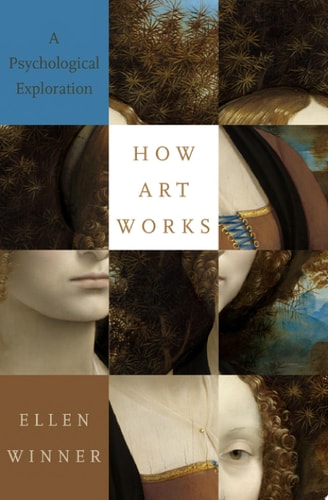
How Art Works: A Psychological Exploration
0
0
As an Amazon Associate and affiliate partner, Menrva Books earns from qualifying purchases. Learn more
Author Description
There is no end of talk and of wondering about 'art' and 'the arts.' This book examines a number of questions about the arts (broadly defined to include all of the arts). Some of these questions come from philosophy. Examples include: · What makes something art? · Can anything be art? · Do we experience "real" emotions from the arts? · Why do we seek out and even cherish sorrow and fear from art when we go out of our way to avoid these very emotions in real life? · How do we decide what is good art? Do aesthetic judgments have any objective truth value? · Why do we devalue fakes even if we -- indeed, even the experts--- can't tell them apart from originals? · Does fiction enhance our empathy and understanding of others? Is art-making therapeutic? Others are "common sense" questions that laypersons wonder about. Examples include:· Does learning to play music raise a child's IQ? · Is modern art something my kid could do? · Is talent a matter of nature or nurture? This book examines puzzles about the arts wherever their provenance - as long as there is empirical research using the methods of social science (interviews, experimentation, data collection, statistical analysis) that can shed light on these questions. The examined research reveals how ordinary people think about these questions, and why they think the way they do - an inquiry referred to as intuitive aesthetics. The book shows how psychological research on the arts has shed light on and often offered surprising answers to such questions.
Menrva's Summary
THE THESIS
This book investigates the psychological mechanisms behind how humans create, perceive, and value art by applying empirical social science methods to long-standing philosophical and common-sense questions. Ellen Winner, a professor of psychology, synthesizes decades of research to explore the intersection of aesthetic experience and human cognition. By utilizing experimental data, interviews, and statistical analysis, the author challenges intuitive assumptions about talent, the value of originality, and the impact of artistic engagement on the human mind.
THE SCOPE MAP
What You Will Find
- Empirical analysis of aesthetic judgment and the perception of fakes versus originals
- Psychological evaluation of the relationship between art and empathy
- Research-based inquiry into the nature versus nurture debate regarding artistic talent
- Investigation into the cognitive effects of arts education, such as music training and IQ
Scope Limits
- The text focuses primarily on psychological and empirical research rather than purely philosophical or art-historical critique
- It does not provide a comprehensive history of art movements or a guide to art criticism
THE AUTHORITY PERSPECTIVE
Experts and readers frequently note that the book provides a clear, accessible bridge between academic psychological research and general interest in the arts. It is widely regarded as a foundational text for those seeking to understand the cognitive underpinnings of aesthetic experience through a scientific lens.
Page Count:
314
Publication Date:
2018-01-01
Publisher:
Oxford University Press
ISBN-10:
0190863374
ISBN-13:
9780190863371
Philosophy
Psychology
Non-Fiction
Art psychology
Art Criticism
Aesthetics
Art Theory
Humanities
Community Tags
Similar Books