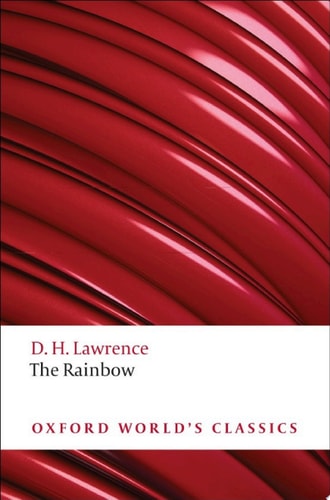
The Rainbow
0
0
As an Amazon Associate and affiliate partner, Menrva Books earns from qualifying purchases. Learn more
Author Description
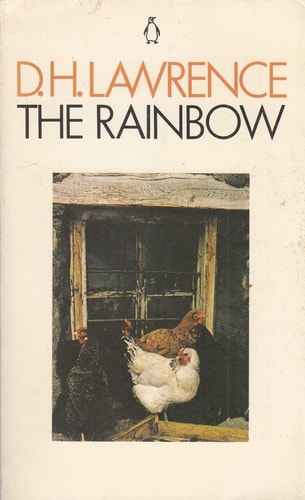
To be oneself was a supreme, gleaming triumph of infinity This is the insight that flashes upon Ursula as she struggles to assert her individuality and to stand separate from her family and her surroundings on the brink of womanhood and the modern world. In The Rainbow (1915) Lawrence challenged the customary limitations of language and convention to carry into the structure of his prose the fascination with boundaries and space that characterize the entire novel. Condemned and suppressed on its first publication for its open treatment of sexuality and its `unpatriotic' spirit, the novel chronicles the lives of three generations of the Brangwen family over a period of more than 60 years, setting them against the emergence of modern England. The central figure of ursula becomes the focus of Lawrence's examination of relationships and the conflicts they bring, and the inextricable mingling of the physical and the spiritual. Suffused with biblical imagery, The Rainbow addresses searching human issues in a setting of precise and vivid detail. In her introduction to this edition Kate Flint illuminates Lawrence's aims and achievements against the background of the burgeoning century. ABOUT THE SERIES: For over 100 years Oxford World's Classics has made available the widest range of literature from around the globe. Each affordable volume reflects Oxford's commitment to scholarship, providing the most accurate text plus a wealth of other valuable features, including expert introductions by leading authorities, helpful notes to clarify the text, up-to-date bibliographies for further study, and much more.
Menrva's Summary
THE PULSE
The narrative follows three generations of the Brangwen family as they navigate the tension between individual identity and the constraints of a rapidly industrializing England. The story centers on the Brangwen family’s evolution from rural farmers to urban dwellers, with a specific focus on Ursula Brangwen’s struggle for autonomy. Lawrence employs a non-linear, lyrical prose style to examine the psychological and physical development of his characters. The narrative framework shifts across decades, exploring the internal lives of the protagonists as they confront societal expectations and their own desires. The primary conflict arises from the characters' attempts to reconcile their spiritual needs with the physical realities of their environment.
INSIDE THE PAGES
- Multi-generational family saga spanning over 60 years
- Extensive use of biblical imagery and symbolism
- Focus on the intersection of physical and spiritual experience
- Exploration of gender roles and the emergence of modern womanhood
- Detailed depiction of the transition from agrarian to industrial society
- Introspective character studies of the Brangwen lineage
- Examination of the limitations of language and social convention
- Scholarly introduction and critical notes provided by Kate Flint
THE COLLECTIVE ECHO
Discussion often centers on Lawrence's unconventional prose style, which prioritizes internal psychological states over traditional plot progression. Readers frequently highlight the novel's intense focus on the shifting dynamics of human relationships and the struggle for personal independence. Critics often note the effectiveness of the atmospheric world-building, which captures the transition of England at the turn of the century with vivid, sensory detail. The thematic exploration of sexuality and the rejection of societal norms remains a frequent point of analysis in academic circles. Many readers find the dense, symbolic language challenging yet rewarding for its depth of character insight.
Page Count:
540
Publication Date:
2008-01-01
Publisher:
OUP Oxford
ISBN-10:
0191504343
ISBN-13:
9780191504341
Historical Fiction
British literature
Classic Literature
Family Saga
Modernist
English
English & College Success
Community Tags
Similar Books