
Women in Love
0
0
As an Amazon Associate and affiliate partner, Menrva Books earns from qualifying purchases. Learn more
Author Description
New eyes were opened in her soul. She saw a strange creature from another world, in him. It was as if she were enchanted, and everything were metamorphosed.' In Women in Love (1920), Ursula and Gudrun Brangwen, who first appeared in Lawrence's earlier novel, The Rainbow, take centre stage as Lawrence explores their growth and development in their relationships with two powerful men, Rupert Birkin and his friend Gerald Crich. A novel of regeneration and dark, destructive human passion, Women in Love reflects the impact on Lawrence of the First World War in the potential both for annihilation and salvation of the self. Quintessentially modernist, Women is Love is one of Lawrence's most extraordinary, innovative and unsettling works.
Menrva's Summary
THE PULSE
The narrative centers on the complex, evolving romantic entanglements of the Brangwen sisters as they navigate the shifting social and psychological landscapes of post-war England. Ursula and Gudrun Brangwen seek personal fulfillment and intellectual autonomy, finding themselves drawn into intense, often volatile relationships with Rupert Birkin and Gerald Crich. The novel operates within a framework of psychological realism, examining the internal states of its characters against the backdrop of a society undergoing profound transformation. Lawrence utilizes a dense, lyrical prose style to map the collision between individual desire and the constraints of industrial modernity.
INSIDE THE PAGES
- Exploration of the psychological tensions between intellect and instinct
- Examination of the destructive potential within romantic partnerships
- Critique of industrialization and its impact on the human spirit
- Use of symbolic imagery to represent internal emotional states
- Non-linear progression of character development and self-realization
- Focus on the contrast between the sisters' differing approaches to life
- Integration of philosophical discourse regarding the nature of love
- Atmospheric depiction of the English Midlands and European landscapes
THE COLLECTIVE ECHO
Discussion often centers on the intense, often polarizing nature of Lawrence's prose and his uncompromising focus on the subconscious drives of his characters. Readers frequently highlight the stark contrast between the intellectualized connection of Birkin and Ursula and the more visceral, ultimately tragic dynamic between Gerald and Gudrun. Critics often point to the novel as a definitive example of modernist experimentation, noting how it prioritizes internal experience over traditional plot progression. The work remains a subject of debate regarding its portrayal of gender roles and its bleak assessment of human connection in the early twentieth century. Many readers find the atmospheric density of the writing to be a defining feature that requires careful, deliberate engagement.
Page Count:
575
Publication Date:
1998-01-01
Publisher:
OUP Oxford
ISBN-10:
0191611034
ISBN-13:
9780191611032
Romance
Friendship
Fiction psychological
Classic Literature
Psychological
Sisters fiction
Philosophical
English & College Success
English
England
Modernist
Community Tags
Other Editions(21)

MJP Publishers
2023
Default edition
Independently Published
2022

Independently Published
2021

Independently Published
2020

Independently Published
2020
Independent Publishers Group (Chicago Review Press)
2019

CreateSpace Independent Publishing Platform
2018

Independently Published
2018

CreateSpace Independent Publishing Platform
2017

CreateSpace Independent Publishing Platform
2017

CreateSpace Independent Publishing Platform
2017

Xist Publishing
2016

CreateSpace Independent Publishing Platform
2015
Penguin USA, Inc.
2009
Oxford University Press
2008
Echo Library
2006

NuVision Publications
2004
OUP Oxford
1998

G K Hall Audio Books
1992
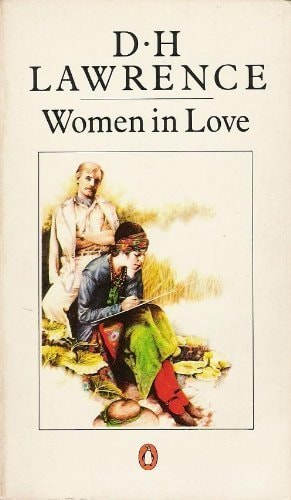
Penguin Books
1976

Heinemann
1975
Similar Books









Reader Comments
Share Your Thoughts
No comments yet. Be the first to share your thoughts!