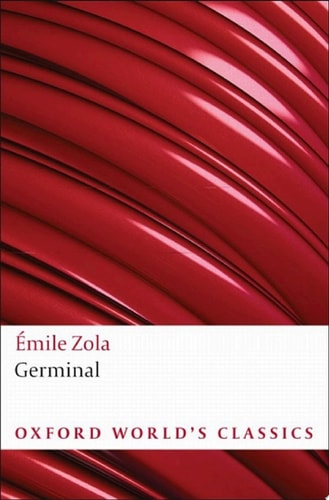
Germinal
0
0
As an Amazon Associate and affiliate partner, Menrva Books earns from qualifying purchases. Learn more
Author Description
Zola's masterpiece of working life, Germinal (1885), exposes the inhuman conditions of miners in northern France in the 1860s. By Zola's death in 1902 it had come to symbolise the call for freedom from oppression so forcefully that the crowd which gathered at his State funeral chanted 'Germinal! Germinal!'. The central figure, Etienne Lantier, is an outsider who enters the community and eventually leads his fellow-miners in a strike protesting against pay-cuts - a strike which becomes a losing battle against starvation, repression, and sabotage. Yet despite all the violence and disillusion which rock the mining community to its foundations, Lantier retains his belief in the ultimate germination of a new society, leading to a better world. Germinal is a dramatic novel of working life and everyday relationships, but it is also a complex novel of ideas, given fresh vigour and power in this new translation.
Menrva's Summary
THE PULSE
Etienne Lantier arrives at a coal mining village in northern France, where his arrival acts as the catalyst for a desperate, large-scale strike against oppressive labor conditions. Lantier, an outsider seeking work, finds himself embedded in the brutal, claustrophobic environment of the Voreux mine. He attempts to organize the starving miners against the company's wage cuts, facing opposition from both the rigid corporate hierarchy and the internal divisions within the community. The narrative utilizes a third-person perspective to document the physical degradation of the workers and the logical progression of their collective collapse under the weight of starvation and state-sanctioned violence.
INSIDE THE PAGES
- Detailed depiction of 19th-century industrial mining conditions
- Exploration of class conflict and socialist ideology
- Naturalistic focus on the biological and environmental factors influencing human behavior
- Multi-generational character dynamics within the mining community
- Vivid descriptions of physical labor and industrial accidents
- Examination of the psychological toll of poverty and repression
- Symbolic use of the mine as a devouring, subterranean entity
- Non-linear progression of the strike from initial protest to total social breakdown
THE COLLECTIVE ECHO
Readers and critics frequently highlight the unflinching, clinical precision with which Zola documents the misery of the mining class. Discussion often centers on the balance between the novel's intense, visceral action sequences and its underlying philosophical inquiries into social reform. Many observers note that the atmosphere is intentionally oppressive, reflecting the bleak reality of the characters' lives. The work is widely recognized for its contribution to the naturalist movement, with scholars often pointing to the author's ability to render complex socio-economic forces through individual human suffering. Readers frequently emphasize that the narrative remains a significant reference point for understanding the history of labor movements and the evolution of industrial society.
Page Count:
576
Publication Date:
2008-01-01
Publisher:
OUP Oxford
ISBN-10:
0191500437
ISBN-13:
9780191500435
Historical Fiction
France fiction
Social Realism
Labor history
Classic Literature
Naturalism
English
Fiction political
Political fiction
English & College Success
Community Tags
Other Editions(34)
Creative Media Partners, LLC
2023
Default edition
Legare Street Press
2023
BoD - Books on Demand
2023
BoD - Books on Demand
2023

Independent Publishers Group (Chicago Review Press)
2022

Independently Published
2021

Independently Published
2021

République des Lettres
2021

Independently Published
2020

BoD - Books on Demand
2018

Pocket
2018

CreateSpace Independent Publishing Platform
2018

CreateSpace Independent Publishing Platform
2016

CreateSpace Independent Publishing Platform
2016

CreateSpace Independent Publishing Platform
2016

CreateSpace Independent Publishing Platform
2015
e-artnow
2013
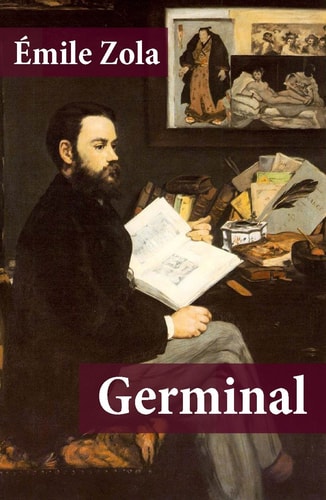
e-artnow
2013

EISENBRAUNS
2012

Hackett Publishing Company
2011

EBooksLib
2010
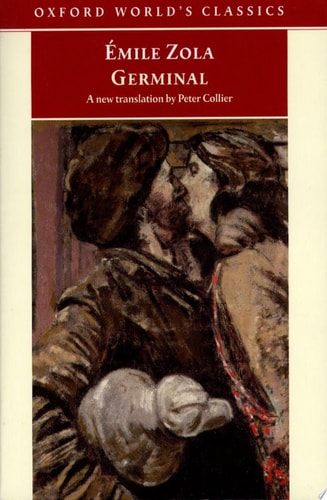
Oup Oxford
2008
OUP Oxford
2008

Martin Claret
2007

Nov'edit
2005

Penguin Books
2004
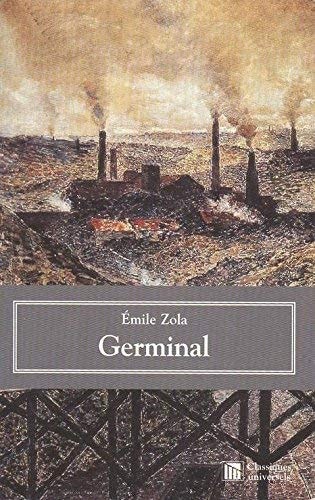
L'Aventurine
2001

CIL Polska-Kolekcje
2000
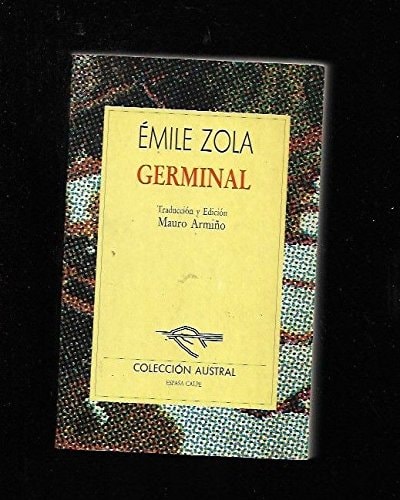
Espasa Calpe, S.A.
1995

Pocket
1994
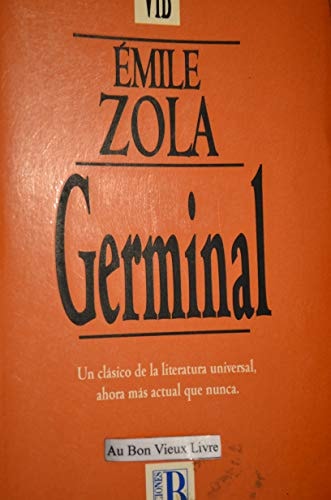
Ediciones B
1994
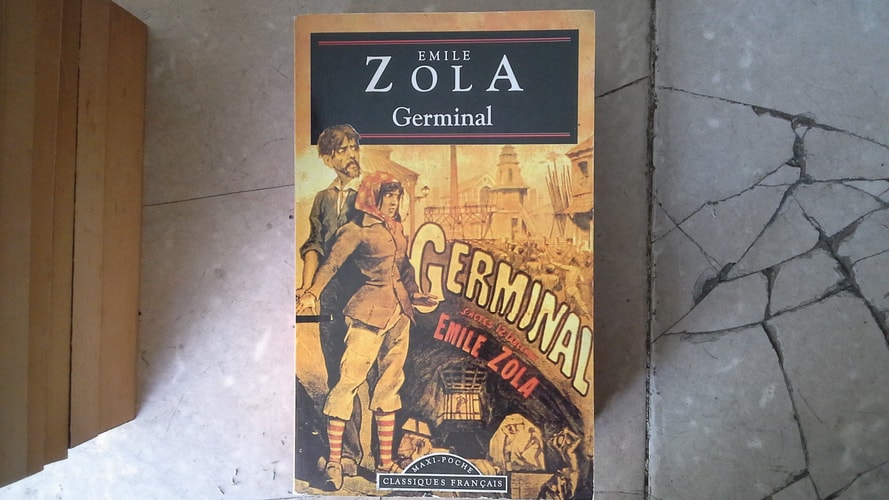
Oxford University Press
1994
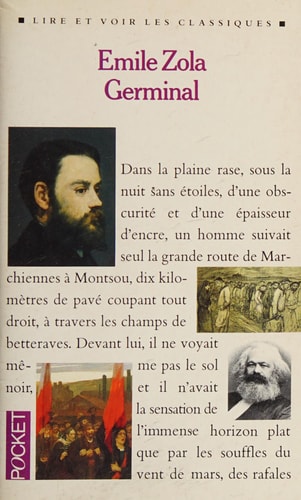
Pocket
1990

Bibliothèque-Charpentier
1900
Similar Books

Reader Comments
Share Your Thoughts
No comments yet. Be the first to share your thoughts!