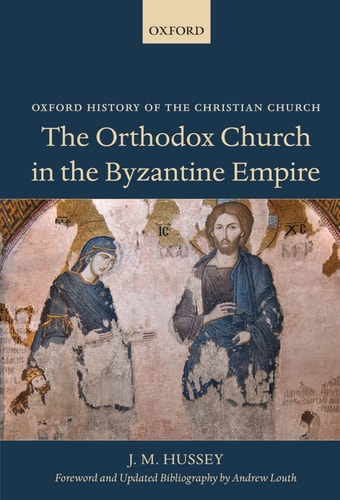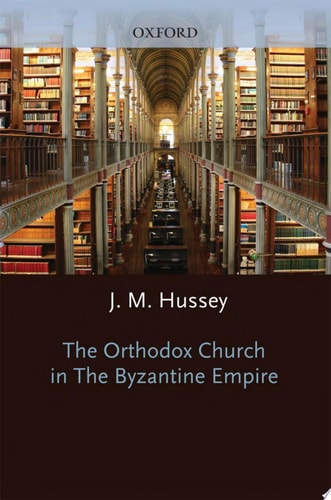
The Orthodox Church in the Byzantine Empire
0
0
As an Amazon Associate and affiliate partner, Menrva Books earns from qualifying purchases. Learn more
Author Description
This Book Describes The Role Of The Medieval Orthodox Church In The Byzantine Empire (c.600-c.1453). As An Integral Part Of Its Policy It Was (as In Western Christianity) Closely Linked With Many Aspects Of Everyday Life Both Official And Otherwise. It Was A Formative Period For Orthodoxy. It Had To Face Doctrinal Problems And Heresies; At The Same Time It Experienced The Continuity And Deepening Of Its Liturgical Life. While Holding Fast To The Traditions Of The Fathers And The Councils, It Saw Certain Developments In Doctrine And Liturgy As Also In Administration. Part I Discusses The Landmarks In Ecclesiastical Affairs Within The Empire As Well As The Creative Influence Exercised On The Slavs And The Increasing Contacts With Westerners Particularly After 1204. Part Ii Gives A Brief Account Of The Structure Of The Medieval Orthodox Church, Its Officials And Organization, And The Spirituality Of Laity, Monks, And Clergy.
Menrva's Summary
THE THESIS
This work investigates the multifaceted role and evolution of the Orthodox Church within the Byzantine Empire from the seventh century through the fall of Constantinople in 1453. Joan M. Hussey, a distinguished historian of the Byzantine era, utilizes primary ecclesiastical records and historical analysis to argue that the Church functioned as an inseparable component of imperial policy and daily life. The text examines how the institution navigated doctrinal disputes and heresies while simultaneously refining its liturgical traditions and administrative structures.
THE SCOPE MAP
What You Will Find
- Historical analysis of ecclesiastical landmarks from 600 to 1453
- Examination of the Church's influence on Slavic populations
- Documentation of administrative hierarchies and clerical organization
- Overview of the spiritual practices of the laity, monks, and clergy
Scope Limits
- Does not provide an exhaustive theological treatise on every individual heresy
- Focuses primarily on the Byzantine context rather than a comparative study of all global Christian branches
THE AUTHORITY PERSPECTIVE
Scholars and students of medieval history frequently cite this work as a foundational text for understanding the intersection of Byzantine statecraft and religious life. Readers often note the academic rigor and the clarity with which the authors synthesize complex administrative and liturgical developments.
Page Count:
456
Publication Date:
1990-01-01
Publisher:
Oxford University Press, Incorporated
ISBN-10:
0191520497
ISBN-13:
9780191520495
History
Religion
Orthodox Christianity
Eastern Orthodox
Byzantine History
Church History
Community Tags
Other Editions(2)
Similar Books