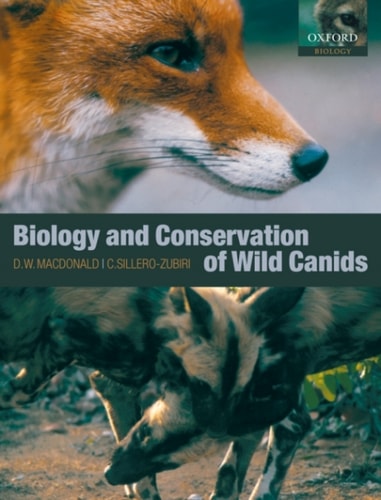
The Biology and Conservation of Wild Canids
0
0
As an Amazon Associate and affiliate partner, Menrva Books earns from qualifying purchases. Learn more
Author Description
No group of wild mammals so universally captures the emotions of people world-wide than do wild canids. That emotion can be enchantment and fascination, but it can also be loathing, because the opportunism that is the hallmark of the dog family also leads them into conflict with humans. In the developed world at least, the fascination with wild canids doubtless stems from people's captivation with domestic dogs - everybody feels they are an expert on canids! While most people may be familiar with only the better known members of the dog family, such as the grey wolf and the red fox, there are in fact 36 species of wolves, dogs, jackals and foxes. They attract hugely disproportionate interest from academics, conservationists, veterinarians, wildlife managers and the general public. This book brings together in single volume an astonishing synthesis of research done in the last twenty years and is the first truly compendious synthesis on wild canids. Beginning with a complete account of all 36 canid species, there follow six review chapters that emphasise topics most relevant to canid conservation science, including evolution and systematics, behavioural ecology, population genetics, diseases, conflict/control of troublesome species, and conservation tools. Fifteen detailed case studies then delve deeply into the very best species investigations currently available written by all the leading figures in the field. Much of the material is previously unpublished and will make fascinating reading far beyond the confines of canid specialists. These chapters portray the unique attributes of wild canids, their fascinating (and conflictive) relationship with man, and suggestions for future research and conservation measures for the Canidae. While most canid species are widespread and thrive in human dominated landscapes, several are in severe jeopardy; habitat loss, illegal hunting, persecution by farmers and disease all imperil dwindling populations. A final chapter analyses
Menrva's Summary
THE THESIS
This volume investigates the biological diversity, ecological roles, and conservation requirements of the 36 extant species within the Canidae family. Edited by Claudio Sillero-Zubiri and David W. Macdonald, the text synthesizes two decades of research to address the dual nature of wild canids as both objects of human fascination and sources of human-wildlife conflict. It provides a comprehensive framework for understanding the evolutionary history, population genetics, and management strategies necessary to mitigate threats like habitat loss and persecution.
THE SCOPE MAP
What You Will Find
- A comprehensive taxonomic account of all 36 wild canid species.
- Six thematic review chapters covering evolution, systematics, behavioral ecology, and disease management.
- Fifteen detailed case studies authored by leading field researchers.
Scope Limits
- The text focuses primarily on wild species and does not provide extensive coverage of domestic dog behavior or training.
- It does not offer a exhaustive historical survey of canid mythology or cultural representation beyond their conflict with humans.
THE AUTHORITY PERSPECTIVE
Experts recognize this volume as a foundational reference for wildlife biologists and conservationists due to its rigorous synthesis of field data. Readers frequently note the academic density of the prose, which serves as a primary resource for professionals and advanced students in the field of mammalogy.
Page Count:
464
Publication Date:
2004-01-01
Publisher:
OUP Oxford
ISBN-10:
0191523356
ISBN-13:
9780191523359
Science
Nature
Biology
Zoology
Biodiversity conservation
Conservation
Pets General
Ecology
Pets
Community Tags
Similar Books