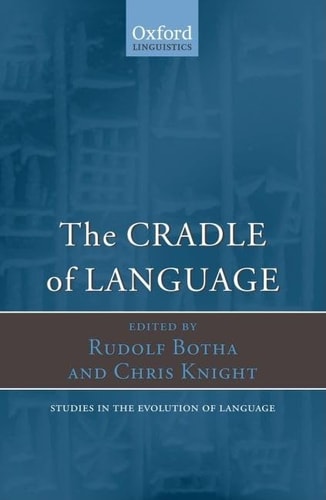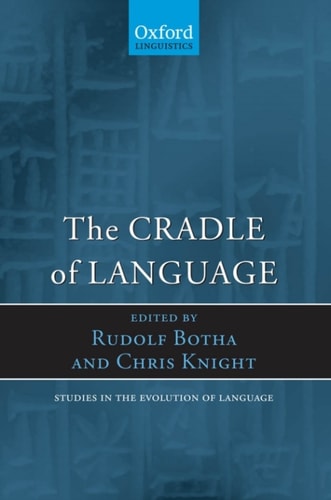
The Cradle of Language
0
0
As an Amazon Associate and affiliate partner, Menrva Books earns from qualifying purchases. Learn more
Author Description
This book is the first to focus on the African origins of human language. It explores the origins of language and culture 250,000-150,000 years ago when modern humans evolved in Africa. Scholars from around the world address the fossil, genetic, and archaeological evidence and critically examine the ways it has been interpreted. The book also considers parallel developments among Europe's Neanderthals and the contrasting outcomes for the two species. Following an extensive introduction contextualizing and linking the book's topics and approaches, fifteen chapters bring together many of the most significant recent findings and developments in modern human origins research. The fields represented by the authors include genetics, biology, behavioural ecology, linguistics, archaeology, cognitive science, and anthropology.
Menrva's Summary
THE THESIS
This volume investigates the specific African origins of human language and the evolutionary conditions that facilitated its emergence between 250,000 and 150,000 years ago. Editors Chris Knight and Rudolf Botha compile contributions from an international cohort of scholars across disciplines including genetics, cognitive science, and behavioral ecology. The text evaluates fossil, genetic, and archaeological data to construct a framework for understanding how modern human language diverged from the developmental paths of Neanderthals.
THE SCOPE MAP
What You Will Find
- Analysis of the African origins of human language and culture
- Comparative studies between modern humans and Neanderthals
- Multidisciplinary synthesis of genetics, linguistics, and archaeology
- Contextual introduction to human origins research
Scope Limits
- Does not provide a singular, definitive theory of language evolution
- Focuses primarily on the 250,000-150,000 year timeframe
THE AUTHORITY PERSPECTIVE
Experts recognize this work as a significant interdisciplinary resource for researchers studying the intersection of biology and linguistics. Readers frequently note the academic density of the prose and the rigorous, evidence-based approach taken by the contributing scholars.
Page Count:
320
Publication Date:
2009-01-01
Publisher:
Oxford University Press
ISBN-10:
0191567671
ISBN-13:
9780191567674
Science
Archaeology
Anthropology
English & College Success
English
Evolutionary Biology
Linguistics
Human Origins