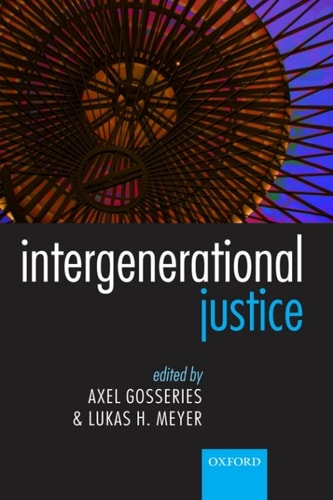
Intergenerational Justice
0
0
As an Amazon Associate and affiliate partner, Menrva Books earns from qualifying purchases. Learn more
Author Description
Is it fair to leave the next generation a public debt? Is it defensible to impose legal rules on them through constitutional constraints? From combating climate change to ensuring proper funding for future pensions, concerns about ethics between generations are everywhere. In this volume sixteen philosophers explore intergenerational justice. Part One examines the ways in which various theories of justice look at the matter. These include libertarian, Rawlsian, sufficientarian, contractarian, communitarian, Marxian and reciprocity-based approaches. In Part Two, the authors look more specifically at issues relevant to each of these theories, such as motivation to act fairly towards future generations, the population dimension, the formation of preferences through education and how they impact on our intergenerational obligations, and whether it is fair to rely on constitutional devices.
Menrva's Summary
THE THESIS
This volume investigates the moral and political obligations current generations owe to those who will succeed them, specifically addressing the fairness of imposing debt, constitutional constraints, and environmental burdens on future populations. The editors, Axel Gosseries and Lukas H. Meyer, curate a collection of essays from sixteen philosophers who analyze these intergenerational dilemmas through diverse ethical frameworks. By synthesizing theoretical perspectives with practical policy concerns, the text establishes a rigorous foundation for evaluating how contemporary decisions impact the autonomy and welfare of future citizens.
THE SCOPE MAP
What You Will Find
- Comparative analysis of libertarian, Rawlsian, sufficientarian, contractarian, communitarian, Marxian, and reciprocity-based theories of justice.
- Examination of the motivation to act fairly toward future generations.
- Discussion on the population dimension and the role of education in preference formation.
- Evaluation of constitutional devices as tools for intergenerational governance.
Scope Limits
- The text focuses primarily on philosophical and normative analysis rather than providing specific legislative or economic blueprints for policy implementation.
THE AUTHORITY PERSPECTIVE
Scholars and students of political philosophy frequently cite this volume as a comprehensive survey of the competing ethical frameworks surrounding intergenerational obligations. The prose is noted for its academic rigor, making it a standard reference for those researching the intersection of ethics, law, and long-term public policy.
Page Count:
360
Publication Date:
2009-01-01
Publisher:
Oxford University Press
ISBN-10:
0191569380
ISBN-13:
9780191569388
Philosophy
Mind & Body
Ethics
Public Policy
Social justice
Community Tags
Other Editions(3)
Similar Books