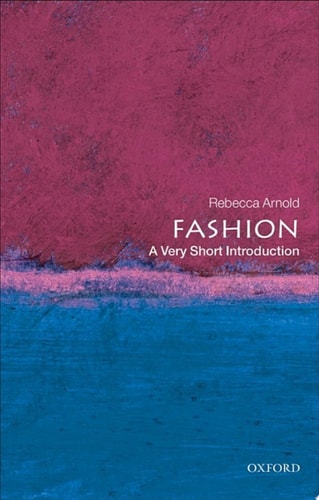
Fashion: A Very Short Introduction
0
0
As an Amazon Associate and affiliate partner, Menrva Books earns from qualifying purchases. Learn more
Author Description
Fashion is a dynamic global industry that plays an important role in the economic, political, cultural, and social lives of an international audience. It spans high art and popular culture, and plays a significant role in material and visual culture. This book introduces fashion's myriad influences and manifestations. Fashion is explored as a creative force, a business, and a means of communication. From Karl Lagerfeld's creative reinventions of Chanel's iconic style to the multicultural reference points of Indian designer Manish Arora, from the spectacular fashion shows held in nineteenth century department stores to the mix-and-match styles of Japanese youth, the book examines the ways that fashion both reflects and shapes contemporary culture. Using historical and contemporary examples, it gives a clear understanding of how fashion has developed since the renaissance, while raising questions about its status, ethical credibility, and influence on consumers. The book provides insight into the structure of the fashion industry and how fashions are designed, promoted and consumed, in relation to relevant historical, social and cultural contexts. It is structured thematically, to look at the role and development of designers, the growth of shopping and the different businesses involved in making and selling fashionable clothes. Fashion's relationship to the wider culture is also explored, by considering its representation in art and collaborations between designers and artists, the moral controversies surrounding fashion, and attempts to produce ethical clothing, and the effects of globalisation on the fashion trade.
Menrva's Summary
THE THESIS
How does fashion function as a complex intersection of economic, cultural, and social forces within global society? Rebecca Arnold, a lecturer in History of Dress and Textiles at the Courtauld Institute of Art, utilizes a thematic framework to analyze fashion not merely as clothing, but as a creative and commercial system. The text synthesizes historical developments since the Renaissance with contemporary industry practices to argue that fashion acts as a primary mechanism for both reflecting and constructing modern identity.
THE SCOPE MAP
What You Will Find
- Historical evolution of fashion from the Renaissance to the present
- Analysis of the fashion industry structure, including design, promotion, and retail
- Examination of fashion's role in visual and material culture
- Discussion of ethical controversies and the impact of globalization
Scope Limits
- Does not provide a comprehensive biography of specific designers
- Does not serve as a technical manual for garment construction or pattern making
THE AUTHORITY PERSPECTIVE
Readers frequently note the accessibility and thematic clarity of the prose, which makes complex sociological concepts approachable for a general audience. Experts highlight this as a concise, foundational text for students and enthusiasts seeking a structured overview of the fashion industry's multifaceted influence.
Page Count:
160
Publication Date:
2009-01-01
Publisher:
OUP Oxford
ISBN-10:
0191579114
ISBN-13:
9780191579110
History
Business
Professional Career & Trade
Sociology
Fashion
Design
Community Tags
Similar Books